Buy r4i-gold.eu ?
We are moving the project
r4i-gold.eu .
Are you interested in purchasing the domain
r4i-gold.eu ?
domain@kv-gmbh.de · 0541-91531010
Buy r4i-gold.eu ?
What are the differences between covalent bonds, metallic bonds, and ionic bonds?
Covalent bonds are formed when two atoms share electrons, resulting in a strong bond between the atoms. Metallic bonds occur between metal atoms, where the electrons are delocalized and free to move throughout the structure, creating a strong bond. Ionic bonds are formed between a metal and a nonmetal, where one atom transfers electrons to the other, resulting in the formation of positively and negatively charged ions that are attracted to each other. Overall, covalent bonds involve electron sharing, metallic bonds involve electron delocalization, and ionic bonds involve electron transfer. **
Do CO bonds form with other CO bonds?
No, CO bonds do not typically form with other CO bonds. Carbon monoxide (CO) is a stable molecule with a triple bond between the carbon and oxygen atoms. This triple bond is strong and does not readily form additional bonds with other CO molecules. Instead, CO molecules tend to interact with other types of molecules through various types of chemical reactions. **


Similar search terms for Bonds
Top-Angebote
Products related to Bonds:
-
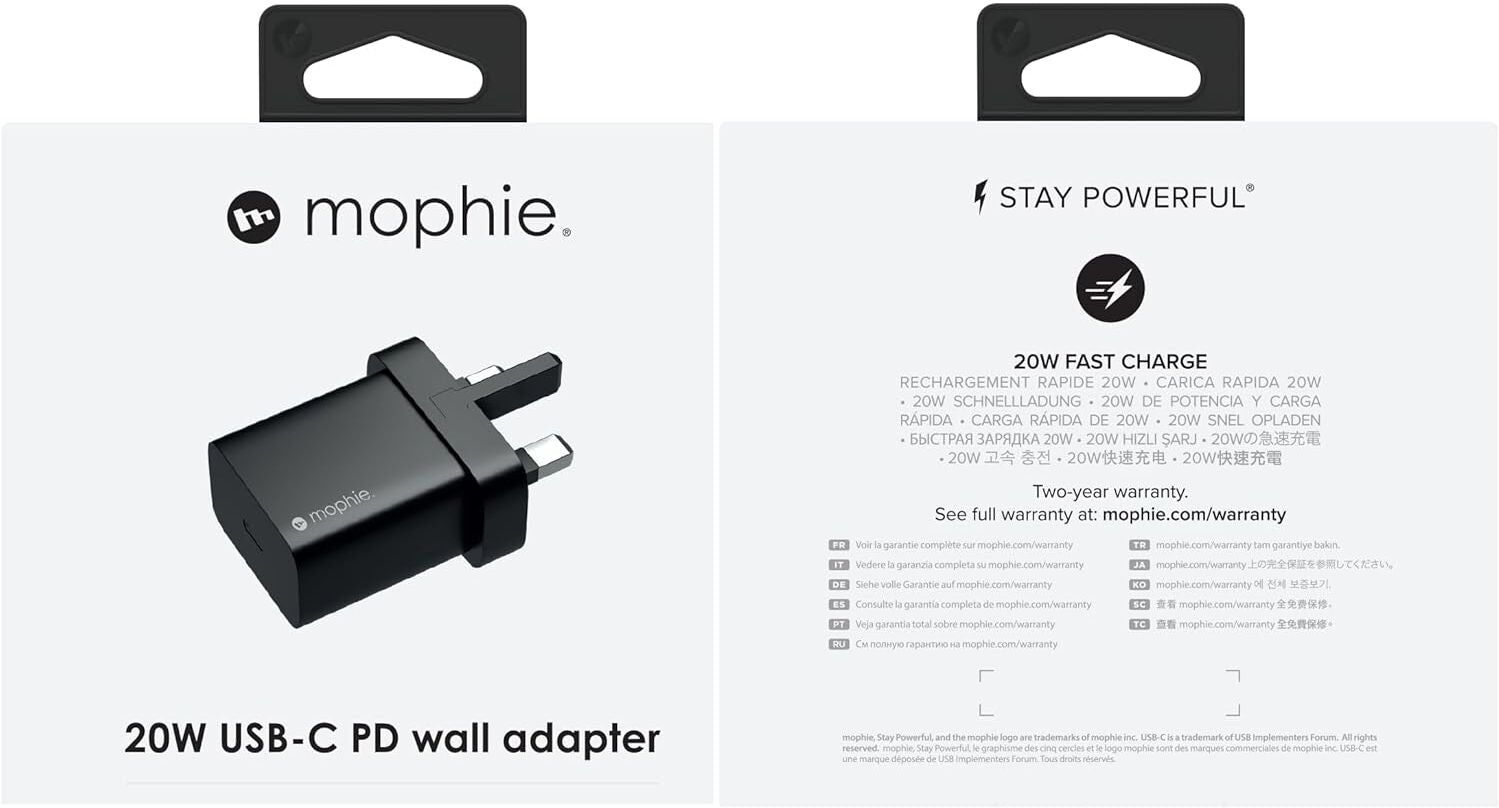
ZAGG mophie Wall Adapter (UK Plug) 20W Fast Charging USB-C Universal Smartphone Compatibility BlackKey Features 20W Fast Charging Output – Delivers rapid, efficient power for compatible devices USB-C Power Delivery (PD) – Optimized charging for modern smartphones and accessories UK 3-Pin Wall Adapter – Designed specifically for UK power outlets Universal Compatibility – Works with all smartphones, tablets, and USB-C devices Compact & Travel-Friendly Design – Easy to carry and store Premium ZAGG mophie Build Quality – Reliable, durable, and safe charging Product Description The ZAGG mophie 20W Wall Adapter is a powerful and compact charging solution designed for fast, reliable performance. Equipped with USB-C Power Delivery , it provides efficient high-speed charging for a wide range of smartphones and devices, helping you power up quickly at home, at work, or on the go. Its UK-standard 3-pin plug ensures safe and stable charging, while the sleek black finish and compact form factor make it a perfect everyday charging companion. Built with ZAGG mophie’s trusted quality standards, this adapter protects your devices while delivering consistent power. Specifications Brand: ZAGG mophie Product Type: Wall Charger / Power Adapter Plug Type: UK 3-Pin Output Power: 20W Port Type: USB-C Charging Technology: Power Delivery (PD) Compatibility: All smartphones & USB-C devices Color: Black12,99 £*Shipping: 0,00 £Secure redirect to the provider
-
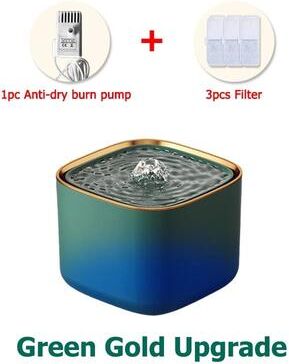
Uplift Picks Automatic Pet Water Fountain With Silent Filtration System green Gold UpgradeHelp your pets stay hydrated with this modern automatic pet water fountain designed to provide fresh, flowing water throughout the day. Featuring a large 3L capacity, quiet operation, and advanced filtration system with included filter chips, this...132,98 $*Shipping: 0,00 $Secure redirect to the provider
-
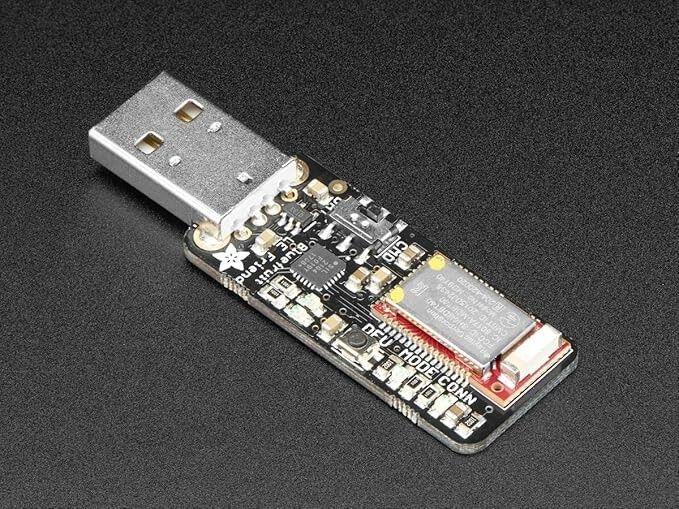
Unknown Adafruit Bluefruit LE Sniffer Bluetooth Low Energy BLE 4.0 nRF51822 Firmware Version 2Description The Adafruit Bluefruit LE Sniffer is a powerful development tool designed for analysing and debugging Bluetooth Low Energy (BLE) communications. Powered by the Nordic nRF51822 chipset, it allows developers and engineers to capture BLE packets and monitor wireless communication between compatible devices. Supporting Bluetooth Low Energy 4.0, this compact sniffer tool is ideal for embedded development, IoT projects, hardware testing, and BLE application debugging. With Firmware Version 2, it provides improved performance and compatibility for analysing BLE traffic. The Adafruit Bluefruit LE Sniffer works with popular BLE development environments and provides an accessible solution for developers looking to understand, troubleshoot, and optimise Bluetooth Low Energy applications.36,49 £*Shipping: 0,00 £Secure redirect to the provider

-
Why are intermolecular bonds weaker than electron pair bonds?
Intermolecular bonds are weaker than electron pair bonds because they involve interactions between molecules rather than within a single molecule. In intermolecular bonds, the attractive forces between molecules are generally weaker than the covalent bonds that hold atoms together within a molecule. Additionally, intermolecular bonds are typically temporary and can be easily broken, whereas electron pair bonds are strong and stable. Overall, the weaker nature of intermolecular bonds allows molecules to move and interact with each other more freely. **
-
Why are intermolecular bonds generally weaker than covalent bonds?
Intermolecular bonds are generally weaker than covalent bonds because they involve interactions between molecules rather than within a single molecule. Covalent bonds involve the sharing of electrons between atoms, creating strong bonds within a molecule. In contrast, intermolecular bonds, such as hydrogen bonds or van der Waals forces, are weaker because they are based on temporary interactions between molecules, which can be easily broken. Additionally, intermolecular bonds are influenced by factors such as distance and orientation, further contributing to their weaker nature compared to covalent bonds. **
-
Why are intermolecular bonds typically weaker than covalent bonds?
Intermolecular bonds are typically weaker than covalent bonds because they involve interactions between molecules rather than within a single molecule. In intermolecular bonds, the attractive forces between molecules, such as van der Waals forces or hydrogen bonding, are weaker than the strong sharing of electrons in covalent bonds. Additionally, intermolecular bonds are more easily broken or disrupted by changes in temperature or pressure, leading to lower bond energies compared to covalent bonds. **
-
Why are intermolecular bonds generally weaker than electron pair bonds?
Intermolecular bonds are generally weaker than electron pair bonds because they involve interactions between molecules, which are larger and less localized than the interactions between atoms in a covalent bond. In intermolecular bonds, the attractive forces are typically weaker due to the larger distance between molecules and the lack of direct sharing of electrons. In contrast, electron pair bonds involve the sharing of electrons between atoms, leading to stronger and more localized bonding interactions. **

Why are polar bonds lower in energy than nonpolar bonds?
Polar bonds are lower in energy than nonpolar bonds because they involve the unequal sharing of electrons between two atoms with different electronegativities. This unequal sharing creates a dipole moment, which results in an attractive force between the partially positive and partially negative ends of the molecule. This electrostatic attraction lowers the overall energy of the molecule compared to nonpolar bonds, where electrons are shared equally. As a result, polar bonds are typically stronger and more stable than nonpolar bonds. **
Why are intermolecular bonds typically weaker than electron pair bonds?
Intermolecular bonds are typically weaker than electron pair bonds because they involve interactions between molecules rather than within a single molecule. In intermolecular bonds, the attractive forces between molecules are generally weaker than the covalent bonds that hold atoms together within a molecule. Additionally, intermolecular bonds are usually based on weaker forces such as van der Waals forces, hydrogen bonding, or dipole-dipole interactions, which are not as strong as the sharing or transfer of electrons in covalent or ionic bonds. **
Top-Angebote
Products related to Bonds:
-
milk_shake Everlasting Bonds Leave In Treatment 100mLA hair-care product. It a lightweight leave-in treatment designed to enhance your hair's softness, shine, and manageability without adding weight. This innovative formula provides heat protection up to 230°C, making it ideal for styling while addressing hair damage and promoting a healthier appearance.26,33 £*Shipping: 5,34 £Secure redirect to the provider
-
Inspired Finds Eternal Bonds Personalized Acrylic Photo Frame & Custom Couple Plaque Gift warm LightCapture Your Timeless Connection. Turn your most meaningful moments into a lasting keepsake with this elegant personalized acrylic photo frame. Designed specifically for couples who value memories that matter, this sleek, transparent display piece...110,99 $*Shipping: 0,00 $Secure redirect to the provider
-
ZAGG mophie Wall Adapter (UK Plug) 20W Fast Charging USB-C Universal Smartphone Compatibility BlackKey Features 20W Fast Charging Output – Delivers rapid, efficient power for compatible devices USB-C Power Delivery (PD) – Optimized charging for modern smartphones and accessories UK 3-Pin Wall Adapter – Designed specifically for UK power outlets Universal Compatibility – Works with all smartphones, tablets, and USB-C devices Compact & Travel-Friendly Design – Easy to carry and store Premium ZAGG mophie Build Quality – Reliable, durable, and safe charging Product Description The ZAGG mophie 20W Wall Adapter is a powerful and compact charging solution designed for fast, reliable performance. Equipped with USB-C Power Delivery , it provides efficient high-speed charging for a wide range of smartphones and devices, helping you power up quickly at home, at work, or on the go. Its UK-standard 3-pin plug ensures safe and stable charging, while the sleek black finish and compact form factor make it a perfect everyday charging companion. Built with ZAGG mophie’s trusted quality standards, this adapter protects your devices while delivering consistent power. Specifications Brand: ZAGG mophie Product Type: Wall Charger / Power Adapter Plug Type: UK 3-Pin Output Power: 20W Port Type: USB-C Charging Technology: Power Delivery (PD) Compatibility: All smartphones & USB-C devices Color: Black12,99 £*Shipping: 0,00 £Secure redirect to the provider
-
Uplift Picks Automatic Pet Water Fountain With Silent Filtration System green Gold UpgradeHelp your pets stay hydrated with this modern automatic pet water fountain designed to provide fresh, flowing water throughout the day. Featuring a large 3L capacity, quiet operation, and advanced filtration system with included filter chips, this...132,98 $*Shipping: 0,00 $Secure redirect to the provider
-
What are the differences between covalent bonds, metallic bonds, and ionic bonds?
Covalent bonds are formed when two atoms share electrons, resulting in a strong bond between the atoms. Metallic bonds occur between metal atoms, where the electrons are delocalized and free to move throughout the structure, creating a strong bond. Ionic bonds are formed between a metal and a nonmetal, where one atom transfers electrons to the other, resulting in the formation of positively and negatively charged ions that are attracted to each other. Overall, covalent bonds involve electron sharing, metallic bonds involve electron delocalization, and ionic bonds involve electron transfer. **
-
Do CO bonds form with other CO bonds?
No, CO bonds do not typically form with other CO bonds. Carbon monoxide (CO) is a stable molecule with a triple bond between the carbon and oxygen atoms. This triple bond is strong and does not readily form additional bonds with other CO molecules. Instead, CO molecules tend to interact with other types of molecules through various types of chemical reactions. **
-
Why are intermolecular bonds weaker than electron pair bonds?
Intermolecular bonds are weaker than electron pair bonds because they involve interactions between molecules rather than within a single molecule. In intermolecular bonds, the attractive forces between molecules are generally weaker than the covalent bonds that hold atoms together within a molecule. Additionally, intermolecular bonds are typically temporary and can be easily broken, whereas electron pair bonds are strong and stable. Overall, the weaker nature of intermolecular bonds allows molecules to move and interact with each other more freely. **
-
Why are intermolecular bonds generally weaker than covalent bonds?
Intermolecular bonds are generally weaker than covalent bonds because they involve interactions between molecules rather than within a single molecule. Covalent bonds involve the sharing of electrons between atoms, creating strong bonds within a molecule. In contrast, intermolecular bonds, such as hydrogen bonds or van der Waals forces, are weaker because they are based on temporary interactions between molecules, which can be easily broken. Additionally, intermolecular bonds are influenced by factors such as distance and orientation, further contributing to their weaker nature compared to covalent bonds. **
Similar search terms for Bonds
-
Unknown Adafruit Bluefruit LE Sniffer Bluetooth Low Energy BLE 4.0 nRF51822 Firmware Version 2Description The Adafruit Bluefruit LE Sniffer is a powerful development tool designed for analysing and debugging Bluetooth Low Energy (BLE) communications. Powered by the Nordic nRF51822 chipset, it allows developers and engineers to capture BLE packets and monitor wireless communication between compatible devices. Supporting Bluetooth Low Energy 4.0, this compact sniffer tool is ideal for embedded development, IoT projects, hardware testing, and BLE application debugging. With Firmware Version 2, it provides improved performance and compatibility for analysing BLE traffic. The Adafruit Bluefruit LE Sniffer works with popular BLE development environments and provides an accessible solution for developers looking to understand, troubleshoot, and optimise Bluetooth Low Energy applications.36,49 £*Shipping: 0,00 £Secure redirect to the provider
-
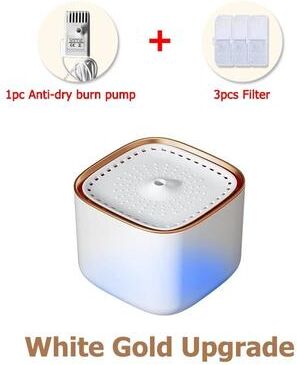
Uplift Essentials 3L Ultra Quiet Automatic Pet Water Fountain & Advanced Filtration System white Gold Upgrade 3lProvide your pet with a constant stream of crystalclear, oxygenated water with a system built for health and tranquility. This 3L Automatic Pet Water Fountain features an expansive reservoir and a highefficiency recirculating system that keeps water...74,97 $*Shipping: 0,00 $Secure redirect to the provider
-
Inspired Finds Eternal Bonds Personalized Acrylic Photo Frame & Custom Couple Plaque Gift 7 Colors LightCapture Your Timeless Connection. Turn your most meaningful moments into a lasting keepsake with this elegant personalized acrylic photo frame. Designed specifically for couples who value memories that matter, this sleek, transparent display piece...116,99 $*Shipping: 0,00 $Secure redirect to the provider
-
Why are intermolecular bonds typically weaker than covalent bonds?
Intermolecular bonds are typically weaker than covalent bonds because they involve interactions between molecules rather than within a single molecule. In intermolecular bonds, the attractive forces between molecules, such as van der Waals forces or hydrogen bonding, are weaker than the strong sharing of electrons in covalent bonds. Additionally, intermolecular bonds are more easily broken or disrupted by changes in temperature or pressure, leading to lower bond energies compared to covalent bonds. **
-
Why are intermolecular bonds generally weaker than electron pair bonds?
Intermolecular bonds are generally weaker than electron pair bonds because they involve interactions between molecules, which are larger and less localized than the interactions between atoms in a covalent bond. In intermolecular bonds, the attractive forces are typically weaker due to the larger distance between molecules and the lack of direct sharing of electrons. In contrast, electron pair bonds involve the sharing of electrons between atoms, leading to stronger and more localized bonding interactions. **
-
Why are polar bonds lower in energy than nonpolar bonds?
Polar bonds are lower in energy than nonpolar bonds because they involve the unequal sharing of electrons between two atoms with different electronegativities. This unequal sharing creates a dipole moment, which results in an attractive force between the partially positive and partially negative ends of the molecule. This electrostatic attraction lowers the overall energy of the molecule compared to nonpolar bonds, where electrons are shared equally. As a result, polar bonds are typically stronger and more stable than nonpolar bonds. **
-
Why are intermolecular bonds typically weaker than electron pair bonds?
Intermolecular bonds are typically weaker than electron pair bonds because they involve interactions between molecules rather than within a single molecule. In intermolecular bonds, the attractive forces between molecules are generally weaker than the covalent bonds that hold atoms together within a molecule. Additionally, intermolecular bonds are usually based on weaker forces such as van der Waals forces, hydrogen bonding, or dipole-dipole interactions, which are not as strong as the sharing or transfer of electrons in covalent or ionic bonds. **
* All prices are inclusive of VAT and, if applicable, plus shipping costs. The offer information is based on the details provided by the respective shop and is updated through automated processes. Real-time updates do not occur, so deviations can occur in individual cases. ** Note: Parts of this content were created by AI.