Buy r4i-gold.eu ?
We are moving the project
r4i-gold.eu .
Are you interested in purchasing the domain
r4i-gold.eu ?
domain@kv-gmbh.de · 0541-91531010
Buy r4i-gold.eu ?
What is better: V-Brakes or disc brakes (V-Brakes block brakes)?
Disc brakes are generally considered better than V-Brakes for several reasons. Disc brakes provide better stopping power and modulation, especially in wet or muddy conditions. They also require less maintenance and are less affected by rim wear. Additionally, disc brakes are more consistent and reliable, making them the preferred choice for most cyclists, especially those who ride in challenging terrain or weather conditions. **
How can I upgrade my disc brakes?
To upgrade your disc brakes, you can start by replacing your current rotors with larger ones for improved heat dissipation and braking performance. You can also upgrade your brake calipers to ones with more pistons for increased stopping power. Additionally, consider upgrading your brake pads to high-performance ones for better bite and modulation. Lastly, upgrading your brake lines to stainless steel braided ones can improve brake feel and responsiveness. **

Similar search terms for Brakes
Top-Angebote
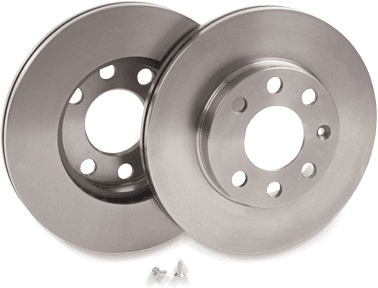
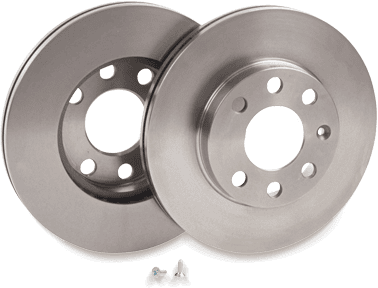
Products related to Brakes:

-
Which brakes are better: drum brakes or disc brakes?
Disc brakes are generally considered to be better than drum brakes. They provide better stopping power, are more responsive, and perform better in wet conditions. Additionally, disc brakes are easier to maintain and are less prone to overheating. Overall, disc brakes offer superior performance and safety compared to drum brakes. **
-
Can I upgrade the brakes on my MTB?
Yes, you can upgrade the brakes on your mountain bike. Upgrading to higher quality brakes can improve your stopping power, control, and overall riding experience. Make sure to choose brakes that are compatible with your bike's frame and wheel size, and consider factors such as hydraulic vs. mechanical brakes, rotor size, and brake pad material when making your decision. It's also recommended to consult with a professional bike mechanic to ensure proper installation and functionality. **
-
Why are brakes actually called brakes?
Brakes are actually called brakes because they are designed to slow down or stop the motion of a vehicle. The term "brake" comes from the Middle English word "brak," which means "an instrument for crushing or pounding." This term was later applied to the mechanism used to slow down or stop a vehicle, and it has been used to refer to vehicle braking systems ever since. So, the name "brakes" reflects the primary function of the mechanism, which is to bring a vehicle to a halt or reduce its speed. **
-
Can I upgrade the brakes on my mountain bike?
Yes, you can upgrade the brakes on your mountain bike. Upgrading your brakes can improve your bike's stopping power, modulation, and overall performance. There are various options available, such as upgrading to hydraulic disc brakes for better performance in challenging terrain. It's important to ensure compatibility with your bike's frame and fork before making any upgrades. **


Can disc brakes be replaced by rim brakes?
Yes, disc brakes can be replaced by rim brakes on a bicycle, but it may require some adjustments and potentially new components. The mounting points for disc brakes are different from rim brakes, so the frame and fork may need to be compatible with rim brakes. Additionally, the wheels will need to be compatible with rim brakes, as they require a different braking surface. It is recommended to consult with a professional bike mechanic before making the switch to ensure compatibility and proper installation. **
Should I choose disc brakes or rim brakes?
The choice between disc brakes and rim brakes depends on your specific needs and preferences. Disc brakes generally offer better stopping power and performance in wet conditions, making them a good choice for mountain biking or riding in variable weather. Rim brakes are lighter and easier to maintain, making them a good option for road biking or riding in dry conditions. Consider your riding style, the terrain you'll be riding on, and your maintenance preferences when making your decision. **
Top-Angebote
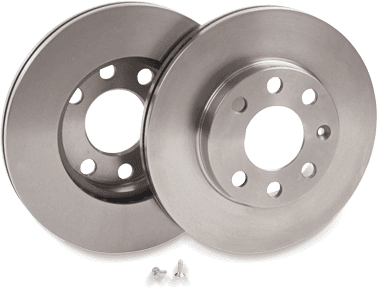
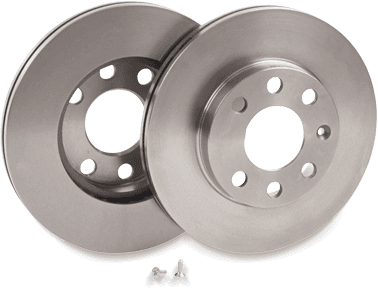
Products related to Brakes:
-
What is better: V-Brakes or disc brakes (V-Brakes block brakes)?
Disc brakes are generally considered better than V-Brakes for several reasons. Disc brakes provide better stopping power and modulation, especially in wet or muddy conditions. They also require less maintenance and are less affected by rim wear. Additionally, disc brakes are more consistent and reliable, making them the preferred choice for most cyclists, especially those who ride in challenging terrain or weather conditions. **
-
How can I upgrade my disc brakes?
To upgrade your disc brakes, you can start by replacing your current rotors with larger ones for improved heat dissipation and braking performance. You can also upgrade your brake calipers to ones with more pistons for increased stopping power. Additionally, consider upgrading your brake pads to high-performance ones for better bite and modulation. Lastly, upgrading your brake lines to stainless steel braided ones can improve brake feel and responsiveness. **
-
Which brakes are better: drum brakes or disc brakes?
Disc brakes are generally considered to be better than drum brakes. They provide better stopping power, are more responsive, and perform better in wet conditions. Additionally, disc brakes are easier to maintain and are less prone to overheating. Overall, disc brakes offer superior performance and safety compared to drum brakes. **
-
Can I upgrade the brakes on my MTB?
Yes, you can upgrade the brakes on your mountain bike. Upgrading to higher quality brakes can improve your stopping power, control, and overall riding experience. Make sure to choose brakes that are compatible with your bike's frame and wheel size, and consider factors such as hydraulic vs. mechanical brakes, rotor size, and brake pad material when making your decision. It's also recommended to consult with a professional bike mechanic to ensure proper installation and functionality. **
Similar search terms for Brakes
-
Why are brakes actually called brakes?
Brakes are actually called brakes because they are designed to slow down or stop the motion of a vehicle. The term "brake" comes from the Middle English word "brak," which means "an instrument for crushing or pounding." This term was later applied to the mechanism used to slow down or stop a vehicle, and it has been used to refer to vehicle braking systems ever since. So, the name "brakes" reflects the primary function of the mechanism, which is to bring a vehicle to a halt or reduce its speed. **
-
Can I upgrade the brakes on my mountain bike?
Yes, you can upgrade the brakes on your mountain bike. Upgrading your brakes can improve your bike's stopping power, modulation, and overall performance. There are various options available, such as upgrading to hydraulic disc brakes for better performance in challenging terrain. It's important to ensure compatibility with your bike's frame and fork before making any upgrades. **
-
Can disc brakes be replaced by rim brakes?
Yes, disc brakes can be replaced by rim brakes on a bicycle, but it may require some adjustments and potentially new components. The mounting points for disc brakes are different from rim brakes, so the frame and fork may need to be compatible with rim brakes. Additionally, the wheels will need to be compatible with rim brakes, as they require a different braking surface. It is recommended to consult with a professional bike mechanic before making the switch to ensure compatibility and proper installation. **
-
Should I choose disc brakes or rim brakes?
The choice between disc brakes and rim brakes depends on your specific needs and preferences. Disc brakes generally offer better stopping power and performance in wet conditions, making them a good choice for mountain biking or riding in variable weather. Rim brakes are lighter and easier to maintain, making them a good option for road biking or riding in dry conditions. Consider your riding style, the terrain you'll be riding on, and your maintenance preferences when making your decision. **
* All prices are inclusive of VAT and, if applicable, plus shipping costs. The offer information is based on the details provided by the respective shop and is updated through automated processes. Real-time updates do not occur, so deviations can occur in individual cases. ** Note: Parts of this content were created by AI.