Buy r4i-gold.eu ?
We are moving the project
r4i-gold.eu .
Are you interested in purchasing the domain
r4i-gold.eu ?
domain@kv-gmbh.de · 0541-91531010
Buy r4i-gold.eu ?
What is depreciation?
Depreciation is the decrease in value of an asset over time due to wear and tear, obsolescence, or other factors. It is a method used in accounting to allocate the cost of an asset over its useful life. By recognizing depreciation expenses, a company can accurately reflect the decrease in value of its assets on its financial statements. Depreciation is important for businesses to properly account for the decrease in value of their assets and to accurately report their financial performance. **
What is the difference between calculated depreciation and accounting depreciation?
Calculated depreciation refers to the estimated reduction in the value of an asset over time, typically based on its useful life and salvage value. Accounting depreciation, on the other hand, is the systematic allocation of the cost of an asset to its useful life in the company's financial statements, following specific accounting rules and standards. While calculated depreciation is more of an estimation, accounting depreciation is a formal recognition of the reduction in the asset's value on the company's books. **
Similar search terms for Depreciation
Top-Angebote
Products related to Depreciation:
-
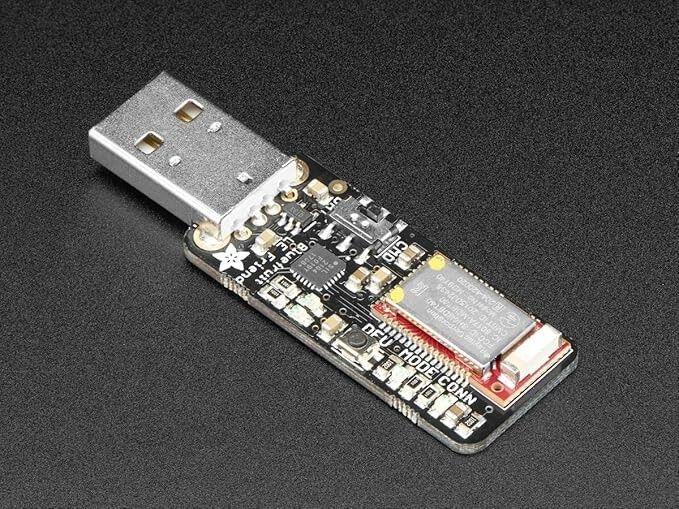
Unknown Adafruit Bluefruit LE Sniffer Bluetooth Low Energy BLE 4.0 nRF51822 Firmware Version 2Description The Adafruit Bluefruit LE Sniffer is a powerful development tool designed for analysing and debugging Bluetooth Low Energy (BLE) communications. Powered by the Nordic nRF51822 chipset, it allows developers and engineers to capture BLE packets and monitor wireless communication between compatible devices. Supporting Bluetooth Low Energy 4.0, this compact sniffer tool is ideal for embedded development, IoT projects, hardware testing, and BLE application debugging. With Firmware Version 2, it provides improved performance and compatibility for analysing BLE traffic. The Adafruit Bluefruit LE Sniffer works with popular BLE development environments and provides an accessible solution for developers looking to understand, troubleshoot, and optimise Bluetooth Low Energy applications.36,49 £*Shipping: 0,00 £Secure redirect to the provider
-
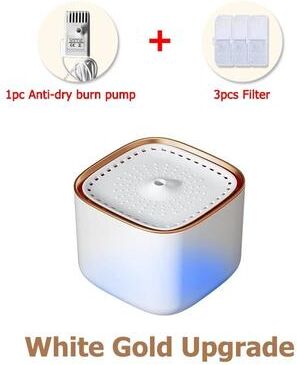
Uplift Essentials 3L Ultra Quiet Automatic Pet Water Fountain & Advanced Filtration System white Gold Upgrade 3lProvide your pet with a constant stream of crystalclear, oxygenated water with a system built for health and tranquility. This 3L Automatic Pet Water Fountain features an expansive reservoir and a highefficiency recirculating system that keeps water...74,97 $*Shipping: 0,00 $Secure redirect to the provider
-
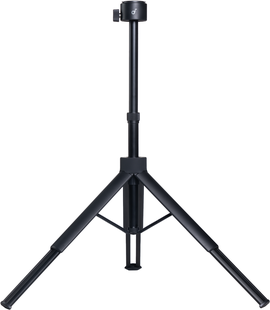
soundcore Nebula Projector Stand for P-Series & Universal Compatibility for More ProjectorsSet Up in Seconds: Patented quick-mount design with a universal interface for effortless one-second installation for Nebula P-series projectors.Rock-Solid Stability: Durable aluminum build with quick-lock mechanism for stable support enabling weight...99,99 $*Shipping: 0,00 $Secure redirect to the provider

-
Why is the calculated depreciation lower than the accounting depreciation?
The calculated depreciation is often lower than the accounting depreciation because it is based on the asset's useful life and salvage value, while accounting depreciation may include additional factors such as tax regulations or management's discretion. Calculated depreciation follows a systematic method like straight-line or reducing balance, whereas accounting depreciation can be influenced by various accounting policies or methods chosen by the company. Additionally, accounting depreciation may consider impairment charges or revaluation of assets, leading to differences in the calculated and accounting depreciation figures. **
-
What are accumulated depreciation?
Accumulated depreciation is the total amount of depreciation expense that has been recorded for a fixed asset since it was acquired. It represents the total decrease in the value of the asset over time due to wear and tear, obsolescence, or other factors. Accumulated depreciation is a contra-asset account, meaning it is subtracted from the original cost of the asset to determine its net book value on the balance sheet. It is important for accurately reflecting the true value of the asset and for calculating depreciation expense for future periods. **
-
How to calculate the depreciation of a car through straight-line depreciation?
To calculate the depreciation of a car through straight-line depreciation, you first need to determine the initial cost of the car, including any additional costs like taxes or registration fees. Next, estimate the salvage value of the car at the end of its useful life. Then, subtract the salvage value from the initial cost to find the depreciable cost. Finally, divide the depreciable cost by the number of years in the car's useful life to determine the annual depreciation expense. **
-
What is depreciation and what is meant by a declining balance depreciation?
Depreciation is the gradual decrease in the value of an asset over time due to wear and tear, obsolescence, or other factors. Declining balance depreciation is a method of calculating depreciation where the asset's value decreases by a fixed percentage each year. This method typically results in higher depreciation expenses in the earlier years of an asset's life and lower expenses in later years. **

How do you calculate the depreciation of a car through straight-line depreciation?
To calculate the depreciation of a car through straight-line depreciation, you would first determine the initial cost of the car. Then, you would subtract the car's estimated salvage value (the amount you expect to sell the car for at the end of its useful life) from the initial cost to find the depreciable cost. Next, you would divide the depreciable cost by the number of years in the car's useful life to find the annual depreciation expense. This annual depreciation expense would be the same for each year of the car's useful life, hence the term "straight-line" depreciation. **
Why is the calculated depreciation lower than the depreciation in the balance sheet?
The calculated depreciation is based on the estimated useful life of the asset and the method used for depreciation, such as straight-line or reducing balance method. It may be lower than the depreciation in the balance sheet if the company has chosen a more conservative approach to depreciation in their financial statements to account for potential fluctuations in the asset's value or to comply with accounting standards. Additionally, the company may have made adjustments for impairment or changes in the asset's useful life that are not reflected in the calculated depreciation. **
Top-Angebote
Products related to Depreciation:
-
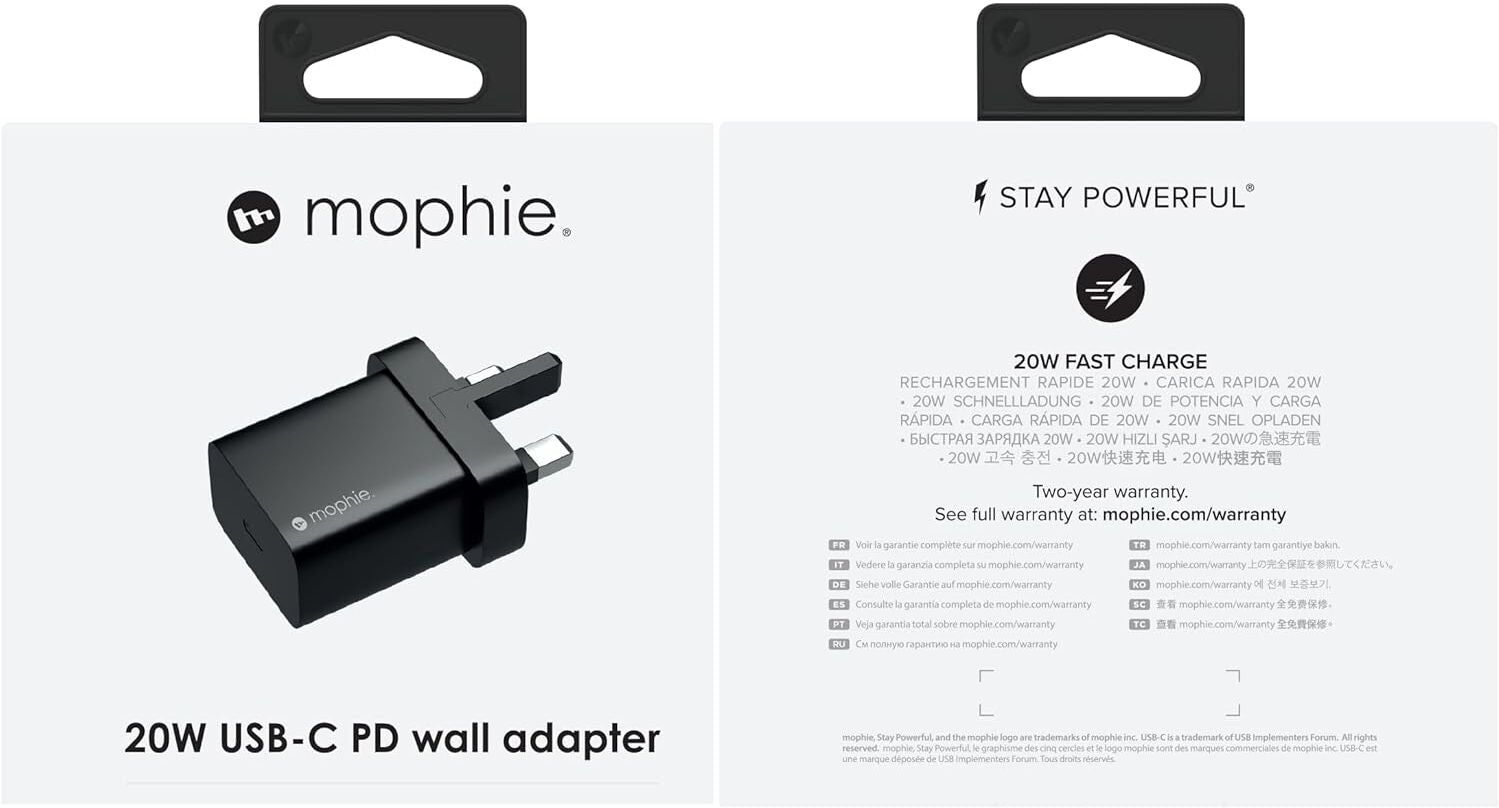
ZAGG mophie Wall Adapter (UK Plug) 20W Fast Charging USB-C Universal Smartphone Compatibility BlackKey Features 20W Fast Charging Output – Delivers rapid, efficient power for compatible devices USB-C Power Delivery (PD) – Optimized charging for modern smartphones and accessories UK 3-Pin Wall Adapter – Designed specifically for UK power outlets Universal Compatibility – Works with all smartphones, tablets, and USB-C devices Compact & Travel-Friendly Design – Easy to carry and store Premium ZAGG mophie Build Quality – Reliable, durable, and safe charging Product Description The ZAGG mophie 20W Wall Adapter is a powerful and compact charging solution designed for fast, reliable performance. Equipped with USB-C Power Delivery , it provides efficient high-speed charging for a wide range of smartphones and devices, helping you power up quickly at home, at work, or on the go. Its UK-standard 3-pin plug ensures safe and stable charging, while the sleek black finish and compact form factor make it a perfect everyday charging companion. Built with ZAGG mophie’s trusted quality standards, this adapter protects your devices while delivering consistent power. Specifications Brand: ZAGG mophie Product Type: Wall Charger / Power Adapter Plug Type: UK 3-Pin Output Power: 20W Port Type: USB-C Charging Technology: Power Delivery (PD) Compatibility: All smartphones & USB-C devices Color: Black12,99 £*Shipping: 0,00 £Secure redirect to the provider
-
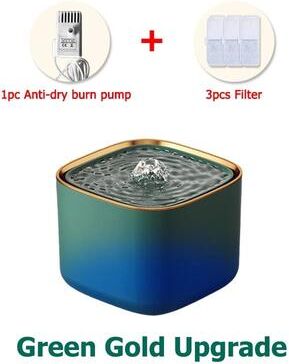
Uplift Picks Automatic Pet Water Fountain With Silent Filtration System green Gold UpgradeHelp your pets stay hydrated with this modern automatic pet water fountain designed to provide fresh, flowing water throughout the day. Featuring a large 3L capacity, quiet operation, and advanced filtration system with included filter chips, this...132,98 $*Shipping: 0,00 $Secure redirect to the provider
-
Unknown Adafruit Bluefruit LE Sniffer Bluetooth Low Energy BLE 4.0 nRF51822 Firmware Version 2Description The Adafruit Bluefruit LE Sniffer is a powerful development tool designed for analysing and debugging Bluetooth Low Energy (BLE) communications. Powered by the Nordic nRF51822 chipset, it allows developers and engineers to capture BLE packets and monitor wireless communication between compatible devices. Supporting Bluetooth Low Energy 4.0, this compact sniffer tool is ideal for embedded development, IoT projects, hardware testing, and BLE application debugging. With Firmware Version 2, it provides improved performance and compatibility for analysing BLE traffic. The Adafruit Bluefruit LE Sniffer works with popular BLE development environments and provides an accessible solution for developers looking to understand, troubleshoot, and optimise Bluetooth Low Energy applications.36,49 £*Shipping: 0,00 £Secure redirect to the provider
-
What is depreciation?
Depreciation is the decrease in value of an asset over time due to wear and tear, obsolescence, or other factors. It is a method used in accounting to allocate the cost of an asset over its useful life. By recognizing depreciation expenses, a company can accurately reflect the decrease in value of its assets on its financial statements. Depreciation is important for businesses to properly account for the decrease in value of their assets and to accurately report their financial performance. **
-
What is the difference between calculated depreciation and accounting depreciation?
Calculated depreciation refers to the estimated reduction in the value of an asset over time, typically based on its useful life and salvage value. Accounting depreciation, on the other hand, is the systematic allocation of the cost of an asset to its useful life in the company's financial statements, following specific accounting rules and standards. While calculated depreciation is more of an estimation, accounting depreciation is a formal recognition of the reduction in the asset's value on the company's books. **
-
Why is the calculated depreciation lower than the accounting depreciation?
The calculated depreciation is often lower than the accounting depreciation because it is based on the asset's useful life and salvage value, while accounting depreciation may include additional factors such as tax regulations or management's discretion. Calculated depreciation follows a systematic method like straight-line or reducing balance, whereas accounting depreciation can be influenced by various accounting policies or methods chosen by the company. Additionally, accounting depreciation may consider impairment charges or revaluation of assets, leading to differences in the calculated and accounting depreciation figures. **
-
What are accumulated depreciation?
Accumulated depreciation is the total amount of depreciation expense that has been recorded for a fixed asset since it was acquired. It represents the total decrease in the value of the asset over time due to wear and tear, obsolescence, or other factors. Accumulated depreciation is a contra-asset account, meaning it is subtracted from the original cost of the asset to determine its net book value on the balance sheet. It is important for accurately reflecting the true value of the asset and for calculating depreciation expense for future periods. **
Similar search terms for Depreciation
-
Uplift Essentials 3L Ultra Quiet Automatic Pet Water Fountain & Advanced Filtration System white Gold Upgrade 3lProvide your pet with a constant stream of crystalclear, oxygenated water with a system built for health and tranquility. This 3L Automatic Pet Water Fountain features an expansive reservoir and a highefficiency recirculating system that keeps water...74,97 $*Shipping: 0,00 $Secure redirect to the provider
-
soundcore Nebula Projector Stand for P-Series & Universal Compatibility for More ProjectorsSet Up in Seconds: Patented quick-mount design with a universal interface for effortless one-second installation for Nebula P-series projectors.Rock-Solid Stability: Durable aluminum build with quick-lock mechanism for stable support enabling weight...99,99 $*Shipping: 0,00 $Secure redirect to the provider
-
HPE 600GB SAS 12G 15K LFF (3.5") SCC Digitally Signed Firmware Hard Drive (870757-B21)HPE 600GB enterprise hard drive, option part 870757-B21: 3.5-inch large form factor (LFF), 15,000 rpm, 12Gb/s SAS, in an HPE Smart Carrier (SCC) with digitally signed firmware, for HPE ProLiant servers. New sealed spare.355,99 £*Shipping: 0,00 £Secure redirect to the provider
-
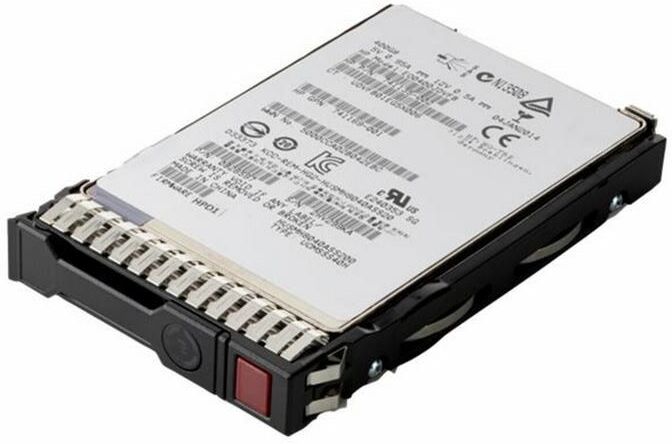
HPE P09088-S21 400GB SAS 12G Mixed Use SFF 2.5" SC Digitally Signed Firmware SSDHPE P09088-S21 is the Smart Buy version of option part P09088-B21: a 400GB 12Gb/s SAS Mixed Use solid state drive in a 2.5-inch small form factor (SFF) Smart Carrier for ProLiant Gen9/Gen10 servers. It ships with HPE digitally signed firmware and a 3-year warranty. The spare part number is P09922-001.1103,99 £*Shipping: 0,00 £Secure redirect to the provider
-
How to calculate the depreciation of a car through straight-line depreciation?
To calculate the depreciation of a car through straight-line depreciation, you first need to determine the initial cost of the car, including any additional costs like taxes or registration fees. Next, estimate the salvage value of the car at the end of its useful life. Then, subtract the salvage value from the initial cost to find the depreciable cost. Finally, divide the depreciable cost by the number of years in the car's useful life to determine the annual depreciation expense. **
-
What is depreciation and what is meant by a declining balance depreciation?
Depreciation is the gradual decrease in the value of an asset over time due to wear and tear, obsolescence, or other factors. Declining balance depreciation is a method of calculating depreciation where the asset's value decreases by a fixed percentage each year. This method typically results in higher depreciation expenses in the earlier years of an asset's life and lower expenses in later years. **
-
How do you calculate the depreciation of a car through straight-line depreciation?
To calculate the depreciation of a car through straight-line depreciation, you would first determine the initial cost of the car. Then, you would subtract the car's estimated salvage value (the amount you expect to sell the car for at the end of its useful life) from the initial cost to find the depreciable cost. Next, you would divide the depreciable cost by the number of years in the car's useful life to find the annual depreciation expense. This annual depreciation expense would be the same for each year of the car's useful life, hence the term "straight-line" depreciation. **
-
Why is the calculated depreciation lower than the depreciation in the balance sheet?
The calculated depreciation is based on the estimated useful life of the asset and the method used for depreciation, such as straight-line or reducing balance method. It may be lower than the depreciation in the balance sheet if the company has chosen a more conservative approach to depreciation in their financial statements to account for potential fluctuations in the asset's value or to comply with accounting standards. Additionally, the company may have made adjustments for impairment or changes in the asset's useful life that are not reflected in the calculated depreciation. **
* All prices are inclusive of VAT and, if applicable, plus shipping costs. The offer information is based on the details provided by the respective shop and is updated through automated processes. Real-time updates do not occur, so deviations can occur in individual cases. ** Note: Parts of this content were created by AI.