Buy r4i-gold.eu ?
We are moving the project
r4i-gold.eu .
Are you interested in purchasing the domain
r4i-gold.eu ?
domain@kv-gmbh.de · 0541-91531010
Buy r4i-gold.eu ?
What is a local cathode?
A local cathode is a cathode that is specifically designed to be used in a particular area or region. It is often used in electroplating or electrolysis processes where a specific area needs to be targeted for deposition or removal of material. Local cathodes are designed to provide precise control and efficiency in the electrochemical processes, and they are tailored to the specific requirements of the application. These cathodes are essential in industries such as automotive, aerospace, and electronics manufacturing, where precise and localized surface treatments are necessary. **
What is the anode and cathode?
In an electrochemical cell, the anode is the electrode where oxidation occurs, meaning it loses electrons. It is the site of electron release into the external circuit. On the other hand, the cathode is the electrode where reduction occurs, meaning it gains electrons. It is the site where electrons are accepted from the external circuit. **
Similar search terms for Cathode
Top-Angebote
Products related to Cathode:
-
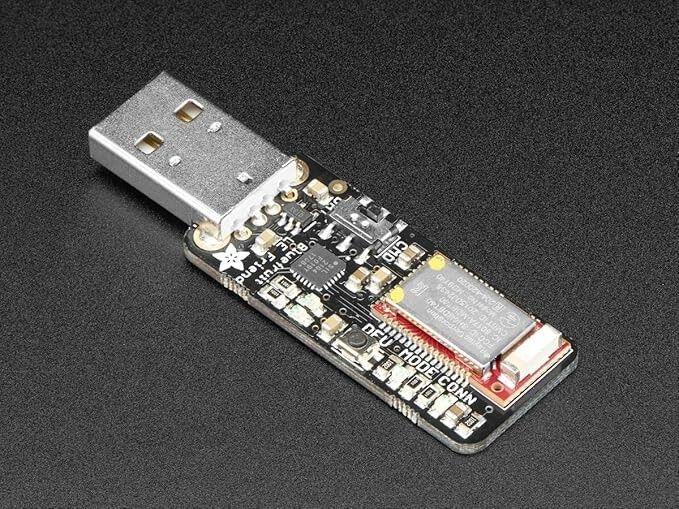
Unknown Adafruit Bluefruit LE Sniffer Bluetooth Low Energy BLE 4.0 nRF51822 Firmware Version 2Description The Adafruit Bluefruit LE Sniffer is a powerful development tool designed for analysing and debugging Bluetooth Low Energy (BLE) communications. Powered by the Nordic nRF51822 chipset, it allows developers and engineers to capture BLE packets and monitor wireless communication between compatible devices. Supporting Bluetooth Low Energy 4.0, this compact sniffer tool is ideal for embedded development, IoT projects, hardware testing, and BLE application debugging. With Firmware Version 2, it provides improved performance and compatibility for analysing BLE traffic. The Adafruit Bluefruit LE Sniffer works with popular BLE development environments and provides an accessible solution for developers looking to understand, troubleshoot, and optimise Bluetooth Low Energy applications.36,49 £*Shipping: 0,00 £Secure redirect to the provider
-
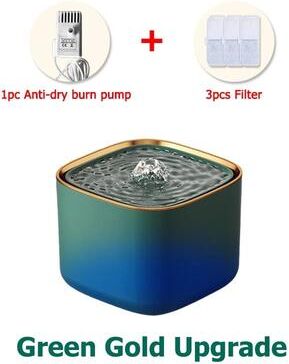
Uplift Essentials 3L Ultra Quiet Automatic Pet Water Fountain & Advanced Filtration System green Gold Upgrade 3lProvide your pet with a constant stream of crystalclear, oxygenated water with a system built for health and tranquility. This 3L Automatic Pet Water Fountain features an expansive reservoir and a highefficiency recirculating system that keeps water...74,97 $*Shipping: 0,00 $Secure redirect to the provider
-
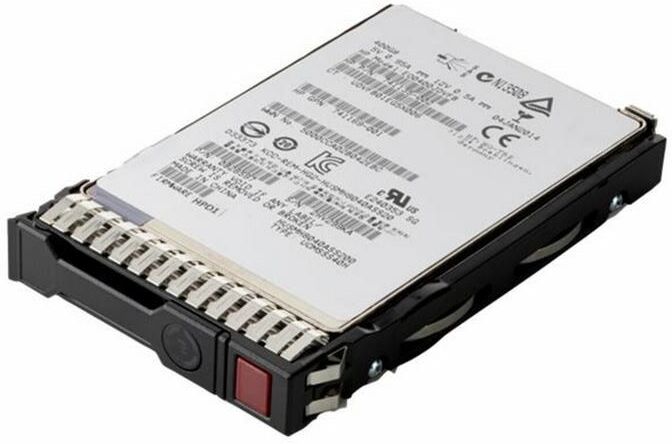
HPE P09088-S21 400GB SAS 12G Mixed Use SFF 2.5" SC Digitally Signed Firmware SSDHPE P09088-S21 is the Smart Buy version of option part P09088-B21: a 400GB 12Gb/s SAS Mixed Use solid state drive in a 2.5-inch small form factor (SFF) Smart Carrier for ProLiant Gen9/Gen10 servers. It ships with HPE digitally signed firmware and a 3-year warranty. The spare part number is P09922-001.1103,99 £*Shipping: 0,00 £Secure redirect to the provider

-
What is the anode and the cathode?
In an electrochemical cell, the anode is the electrode where oxidation occurs, meaning it loses electrons. On the other hand, the cathode is the electrode where reduction takes place, meaning it gains electrons. These two processes are essential for the flow of electrons in the cell, creating an electric current. **
-
What happens at the cathode and anode?
At the cathode, reduction occurs, which involves the gain of electrons. This is where positively charged ions in the solution gain electrons and are reduced to form neutral atoms or molecules. At the anode, oxidation occurs, which involves the loss of electrons. This is where negatively charged ions in the solution lose electrons and are oxidized to form neutral atoms or molecules. **
-
How does a cathode ray tube work?
A cathode ray tube (CRT) works by using a heated cathode to emit a stream of electrons. These electrons are then accelerated and focused by an anode, forming a narrow beam. The beam is then directed onto a phosphorescent screen, which emits light when struck by the electrons. By controlling the intensity and position of the electron beam, the CRT can create images on the screen. This technology was commonly used in older television and computer monitors. **
-
What happened to the cathode ray tube?
The cathode ray tube (CRT) was once the standard display technology for televisions and computer monitors. However, with the advancement of technology, the CRT has been largely replaced by newer display technologies such as liquid crystal displays (LCDs) and light-emitting diodes (LEDs). These newer technologies offer advantages such as thinner profiles, lighter weight, and lower power consumption, leading to the decline in the use of CRTs. As a result, CRTs are now considered outdated and are no longer widely manufactured or used in modern display devices. **


Will my cathode ray tube television explode?
No, your cathode ray tube television is not likely to explode. While it is possible for any electronic device to malfunction and potentially cause a fire or explosion, the likelihood of this happening with a cathode ray tube television is extremely low. However, it is always a good idea to properly maintain and monitor your electronic devices to ensure their safety. **
Why do cathode ray tube televisions whistle?
Cathode ray tube (CRT) televisions can whistle due to a phenomenon called "coil whine." This occurs when the electrical currents passing through the components of the TV, such as the transformer or the deflection yoke, cause them to vibrate at a frequency that is audible as a high-pitched whistle. This can be particularly noticeable when the TV is displaying bright images, as the increased electrical activity can exacerbate the whistling sound. While it may be annoying, coil whine is generally harmless and does not affect the functionality of the TV. **
Top-Angebote
Products related to Cathode:
-
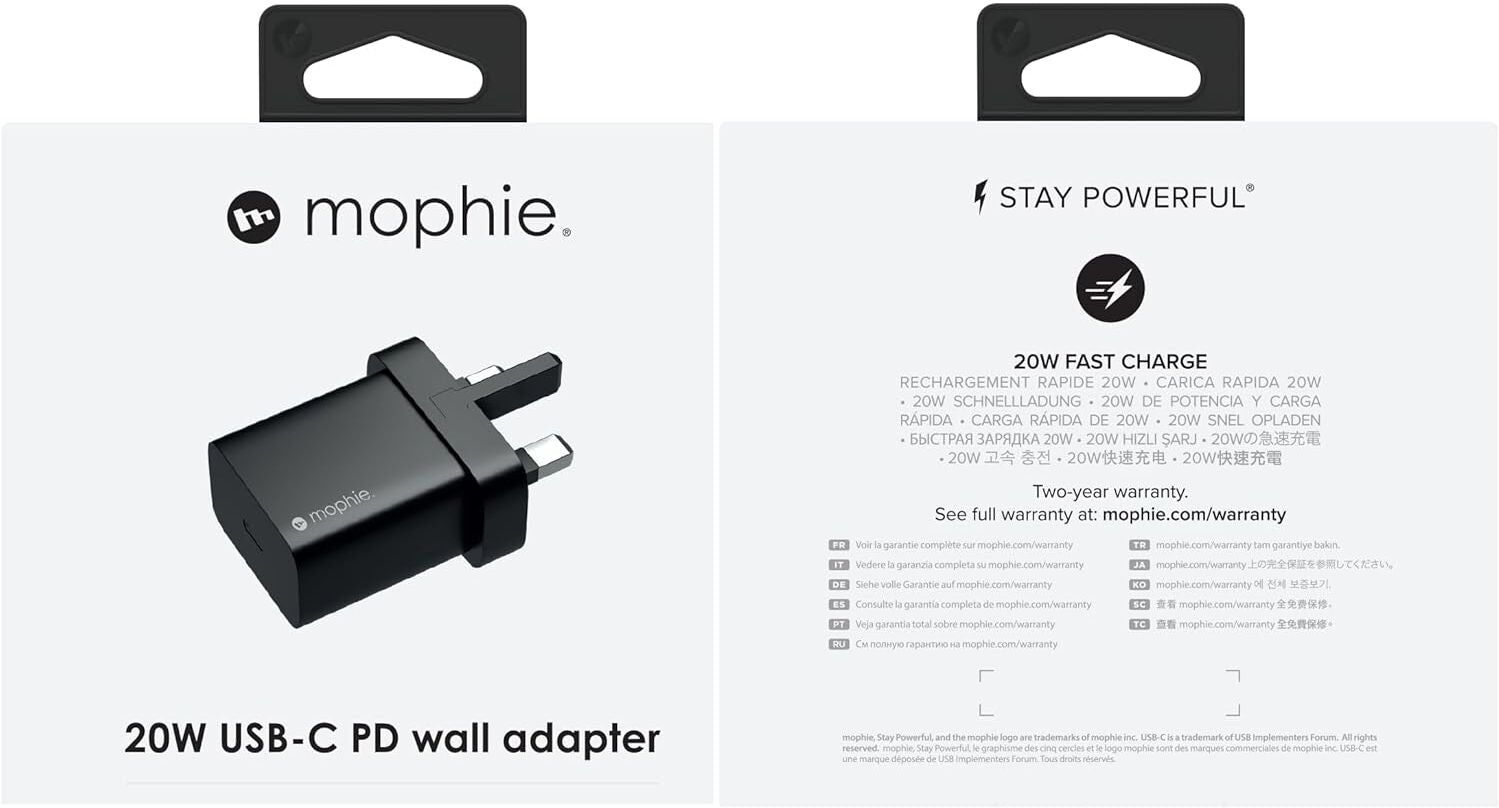
ZAGG mophie Wall Adapter (UK Plug) 20W Fast Charging USB-C Universal Smartphone Compatibility BlackKey Features 20W Fast Charging Output – Delivers rapid, efficient power for compatible devices USB-C Power Delivery (PD) – Optimized charging for modern smartphones and accessories UK 3-Pin Wall Adapter – Designed specifically for UK power outlets Universal Compatibility – Works with all smartphones, tablets, and USB-C devices Compact & Travel-Friendly Design – Easy to carry and store Premium ZAGG mophie Build Quality – Reliable, durable, and safe charging Product Description The ZAGG mophie 20W Wall Adapter is a powerful and compact charging solution designed for fast, reliable performance. Equipped with USB-C Power Delivery , it provides efficient high-speed charging for a wide range of smartphones and devices, helping you power up quickly at home, at work, or on the go. Its UK-standard 3-pin plug ensures safe and stable charging, while the sleek black finish and compact form factor make it a perfect everyday charging companion. Built with ZAGG mophie’s trusted quality standards, this adapter protects your devices while delivering consistent power. Specifications Brand: ZAGG mophie Product Type: Wall Charger / Power Adapter Plug Type: UK 3-Pin Output Power: 20W Port Type: USB-C Charging Technology: Power Delivery (PD) Compatibility: All smartphones & USB-C devices Color: Black12,99 £*Shipping: 0,00 £Secure redirect to the provider
-
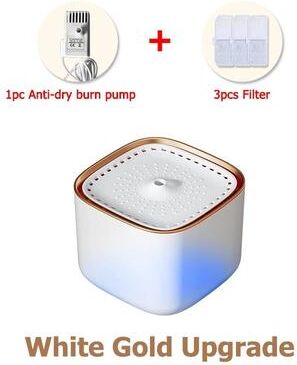
Uplift Picks Automatic Pet Water Fountain With Silent Filtration System white Gold UpgradeHelp your pets stay hydrated with this modern automatic pet water fountain designed to provide fresh, flowing water throughout the day. Featuring a large 3L capacity, quiet operation, and advanced filtration system with included filter chips, this...132,98 $*Shipping: 0,00 $Secure redirect to the provider
-
Unknown Adafruit Bluefruit LE Sniffer Bluetooth Low Energy BLE 4.0 nRF51822 Firmware Version 2Description The Adafruit Bluefruit LE Sniffer is a powerful development tool designed for analysing and debugging Bluetooth Low Energy (BLE) communications. Powered by the Nordic nRF51822 chipset, it allows developers and engineers to capture BLE packets and monitor wireless communication between compatible devices. Supporting Bluetooth Low Energy 4.0, this compact sniffer tool is ideal for embedded development, IoT projects, hardware testing, and BLE application debugging. With Firmware Version 2, it provides improved performance and compatibility for analysing BLE traffic. The Adafruit Bluefruit LE Sniffer works with popular BLE development environments and provides an accessible solution for developers looking to understand, troubleshoot, and optimise Bluetooth Low Energy applications.36,49 £*Shipping: 0,00 £Secure redirect to the provider
-
Uplift Essentials 3L Ultra Quiet Automatic Pet Water Fountain & Advanced Filtration System green Gold Upgrade 3lProvide your pet with a constant stream of crystalclear, oxygenated water with a system built for health and tranquility. This 3L Automatic Pet Water Fountain features an expansive reservoir and a highefficiency recirculating system that keeps water...74,97 $*Shipping: 0,00 $Secure redirect to the provider
-
What is a local cathode?
A local cathode is a cathode that is specifically designed to be used in a particular area or region. It is often used in electroplating or electrolysis processes where a specific area needs to be targeted for deposition or removal of material. Local cathodes are designed to provide precise control and efficiency in the electrochemical processes, and they are tailored to the specific requirements of the application. These cathodes are essential in industries such as automotive, aerospace, and electronics manufacturing, where precise and localized surface treatments are necessary. **
-
What is the anode and cathode?
In an electrochemical cell, the anode is the electrode where oxidation occurs, meaning it loses electrons. It is the site of electron release into the external circuit. On the other hand, the cathode is the electrode where reduction occurs, meaning it gains electrons. It is the site where electrons are accepted from the external circuit. **
-
What is the anode and the cathode?
In an electrochemical cell, the anode is the electrode where oxidation occurs, meaning it loses electrons. On the other hand, the cathode is the electrode where reduction takes place, meaning it gains electrons. These two processes are essential for the flow of electrons in the cell, creating an electric current. **
-
What happens at the cathode and anode?
At the cathode, reduction occurs, which involves the gain of electrons. This is where positively charged ions in the solution gain electrons and are reduced to form neutral atoms or molecules. At the anode, oxidation occurs, which involves the loss of electrons. This is where negatively charged ions in the solution lose electrons and are oxidized to form neutral atoms or molecules. **
Similar search terms for Cathode
-
HPE P09088-S21 400GB SAS 12G Mixed Use SFF 2.5" SC Digitally Signed Firmware SSDHPE P09088-S21 is the Smart Buy version of option part P09088-B21: a 400GB 12Gb/s SAS Mixed Use solid state drive in a 2.5-inch small form factor (SFF) Smart Carrier for ProLiant Gen9/Gen10 servers. It ships with HPE digitally signed firmware and a 3-year warranty. The spare part number is P09922-001.1103,99 £*Shipping: 0,00 £Secure redirect to the provider
-
HPE 960GB SATA 6G Read Intensive SFF 2.5in SC Digitally Signed Firmware SSD (P04564-B21)HPE 960GB SATA 6Gb/s read-intensive solid state drive in a 2.5in Smart Carrier (SC) hot-plug tray with digitally signed firmware, for ProLiant Gen9 and Gen10 servers.1396,99 £*Shipping: 0,00 £Secure redirect to the provider
-
How does a cathode ray tube work?
A cathode ray tube (CRT) works by using a heated cathode to emit a stream of electrons. These electrons are then accelerated and focused by an anode, forming a narrow beam. The beam is then directed onto a phosphorescent screen, which emits light when struck by the electrons. By controlling the intensity and position of the electron beam, the CRT can create images on the screen. This technology was commonly used in older television and computer monitors. **
-
What happened to the cathode ray tube?
The cathode ray tube (CRT) was once the standard display technology for televisions and computer monitors. However, with the advancement of technology, the CRT has been largely replaced by newer display technologies such as liquid crystal displays (LCDs) and light-emitting diodes (LEDs). These newer technologies offer advantages such as thinner profiles, lighter weight, and lower power consumption, leading to the decline in the use of CRTs. As a result, CRTs are now considered outdated and are no longer widely manufactured or used in modern display devices. **
-
Will my cathode ray tube television explode?
No, your cathode ray tube television is not likely to explode. While it is possible for any electronic device to malfunction and potentially cause a fire or explosion, the likelihood of this happening with a cathode ray tube television is extremely low. However, it is always a good idea to properly maintain and monitor your electronic devices to ensure their safety. **
-
Why do cathode ray tube televisions whistle?
Cathode ray tube (CRT) televisions can whistle due to a phenomenon called "coil whine." This occurs when the electrical currents passing through the components of the TV, such as the transformer or the deflection yoke, cause them to vibrate at a frequency that is audible as a high-pitched whistle. This can be particularly noticeable when the TV is displaying bright images, as the increased electrical activity can exacerbate the whistling sound. While it may be annoying, coil whine is generally harmless and does not affect the functionality of the TV. **
* All prices are inclusive of VAT and, if applicable, plus shipping costs. The offer information is based on the details provided by the respective shop and is updated through automated processes. Real-time updates do not occur, so deviations can occur in individual cases. ** Note: Parts of this content were created by AI.