Buy r4i-gold.eu ?
We are moving the project
r4i-gold.eu .
Are you interested in purchasing the domain
r4i-gold.eu ?
domain@kv-gmbh.de · 0541-91531010
Buy r4i-gold.eu ?
What is a lay investiture?
A lay investiture was a practice in medieval Europe where secular rulers, such as kings or nobles, appointed church officials, such as bishops or abbots. This practice gave secular rulers significant influence over the church and its affairs, leading to conflicts between secular and religious authorities. Lay investiture was a major point of contention during the Investiture Controversy in the 11th and 12th centuries, as the church sought to assert its independence from secular control. Ultimately, the issue was resolved with the Concordat of Worms in 1122, which established a compromise where the church had the authority to appoint bishops and abbots, but the emperor or king had the right to invest them with their secular powers. **
What was the Investiture Controversy about?
The Investiture Controversy was a power struggle between the Pope and the Holy Roman Emperor in the 11th and 12th centuries. It revolved around the question of who had the authority to appoint bishops and other church officials - the Pope or the Emperor. The conflict highlighted the tension between secular and religious authority and ultimately led to a compromise known as the Concordat of Worms in 1122, which established the Pope's right to appoint bishops and abbots, while allowing the Emperor to have some influence in the process. **

Similar search terms for Investiture
Top-Angebote
Products related to Investiture:
-
Uplift Essentials 3L Ultra Quiet Automatic Pet Water Fountain & Advanced Filtration System white Gold Upgrade 3lProvide your pet with a constant stream of crystalclear, oxygenated water with a system built for health and tranquility. This 3L Automatic Pet Water Fountain features an expansive reservoir and a highefficiency recirculating system that keeps water...74,97 $*Shipping: 0,00 $Secure redirect to the provider
-
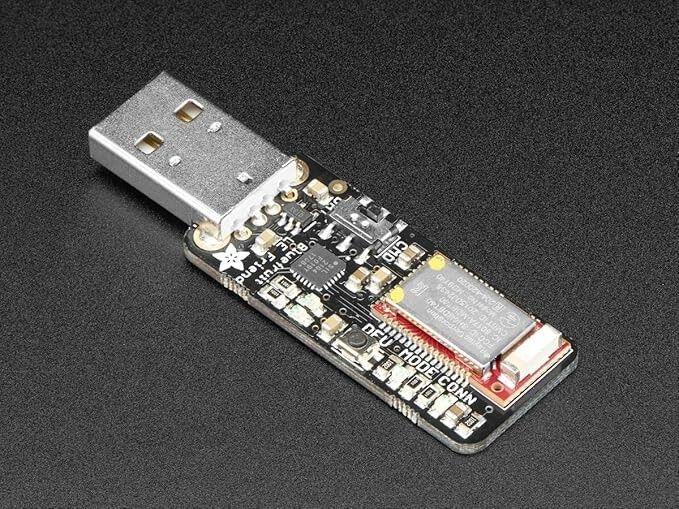
Unknown Adafruit Bluefruit LE Sniffer Bluetooth Low Energy BLE 4.0 nRF51822 Firmware Version 2Description The Adafruit Bluefruit LE Sniffer is a powerful development tool designed for analysing and debugging Bluetooth Low Energy (BLE) communications. Powered by the Nordic nRF51822 chipset, it allows developers and engineers to capture BLE packets and monitor wireless communication between compatible devices. Supporting Bluetooth Low Energy 4.0, this compact sniffer tool is ideal for embedded development, IoT projects, hardware testing, and BLE application debugging. With Firmware Version 2, it provides improved performance and compatibility for analysing BLE traffic. The Adafruit Bluefruit LE Sniffer works with popular BLE development environments and provides an accessible solution for developers looking to understand, troubleshoot, and optimise Bluetooth Low Energy applications.36,49 £*Shipping: 0,00 £Secure redirect to the provider



-
Can you explain the Investiture Controversy to me?
The Investiture Controversy was a power struggle between the papacy and the Holy Roman Emperor in the 11th and 12th centuries. It revolved around the appointment of bishops and abbots, with both the pope and the emperor claiming the right to invest these church officials with their symbols of office. The conflict highlighted the struggle for supremacy between the secular and religious authorities, with the papacy ultimately asserting its authority over the appointment of church officials. The Investiture Controversy had significant political and religious implications, shaping the relationship between the church and the state in medieval Europe. **
-
What does the term investiture mean in history?
In history, the term investiture refers to the formal installation or appointment of a person to a position of power or authority, often by a higher-ranking individual or institution. This term is commonly associated with the medieval practice of investiture, in which secular rulers or nobles would appoint bishops and other church officials, leading to conflicts between the church and state over the control of ecclesiastical appointments. Investiture also has broader applications in the context of feudalism, where it could refer to the granting of land or other resources to vassals in exchange for their loyalty and service. **
-
What were the consequences of the Investiture Controversy?
The Investiture Controversy had several significant consequences. It led to a power struggle between the papacy and the Holy Roman Emperor, weakening the authority of the emperor and strengthening the authority of the papacy. It also resulted in a greater separation of church and state, as the controversy highlighted the need for clear distinctions between the roles of secular and religious leaders. Additionally, the Investiture Controversy contributed to the overall decline in the power and influence of the Holy Roman Empire, as it weakened the central authority of the emperor and led to increased regional autonomy. **
-
What significance does the investiture controversy have for Henry IV?
The investiture controversy was a power struggle between the papacy and secular rulers over the appointment of bishops and abbots. For Henry IV, the controversy had significant implications as he clashed with Pope Gregory VII over the right to appoint church officials in his realm. This conflict led to Henry being excommunicated by the Pope, causing a crisis in his rule and undermining his authority. The investiture controversy ultimately weakened Henry's position and contributed to ongoing tensions between the church and secular authorities. **


What is the factual and value judgment of the Investiture Controversy?
The Investiture Controversy was a power struggle between the papacy and the Holy Roman Emperor over the appointment of bishops and other church officials. Factually, the controversy lasted from 1075 to 1122 and was ultimately resolved by the Concordat of Worms, which granted the church the right to appoint bishops and abbots, but the emperor retained the right to invest them with the symbols of their office. In terms of value judgment, the Investiture Controversy was a significant moment in the history of the relationship between the church and the state, as it highlighted the struggle for power and authority between secular and religious leaders. It also marked a turning point in the development of the papacy's authority and independence from secular control. **
At which two points in the text is the Investiture Controversy discussed?
The Investiture Controversy is discussed in the text at two key points. The first point is when the text discusses the conflict between Pope Gregory VII and Holy Roman Emperor Henry IV over the appointment of bishops and the issue of lay investiture. The second point is when the text mentions the resolution of the Investiture Controversy with the signing of the Concordat of Worms in 1122, which established a compromise between the papacy and the Holy Roman Empire regarding the appointment of bishops. **
Top-Angebote
Products related to Investiture:
-
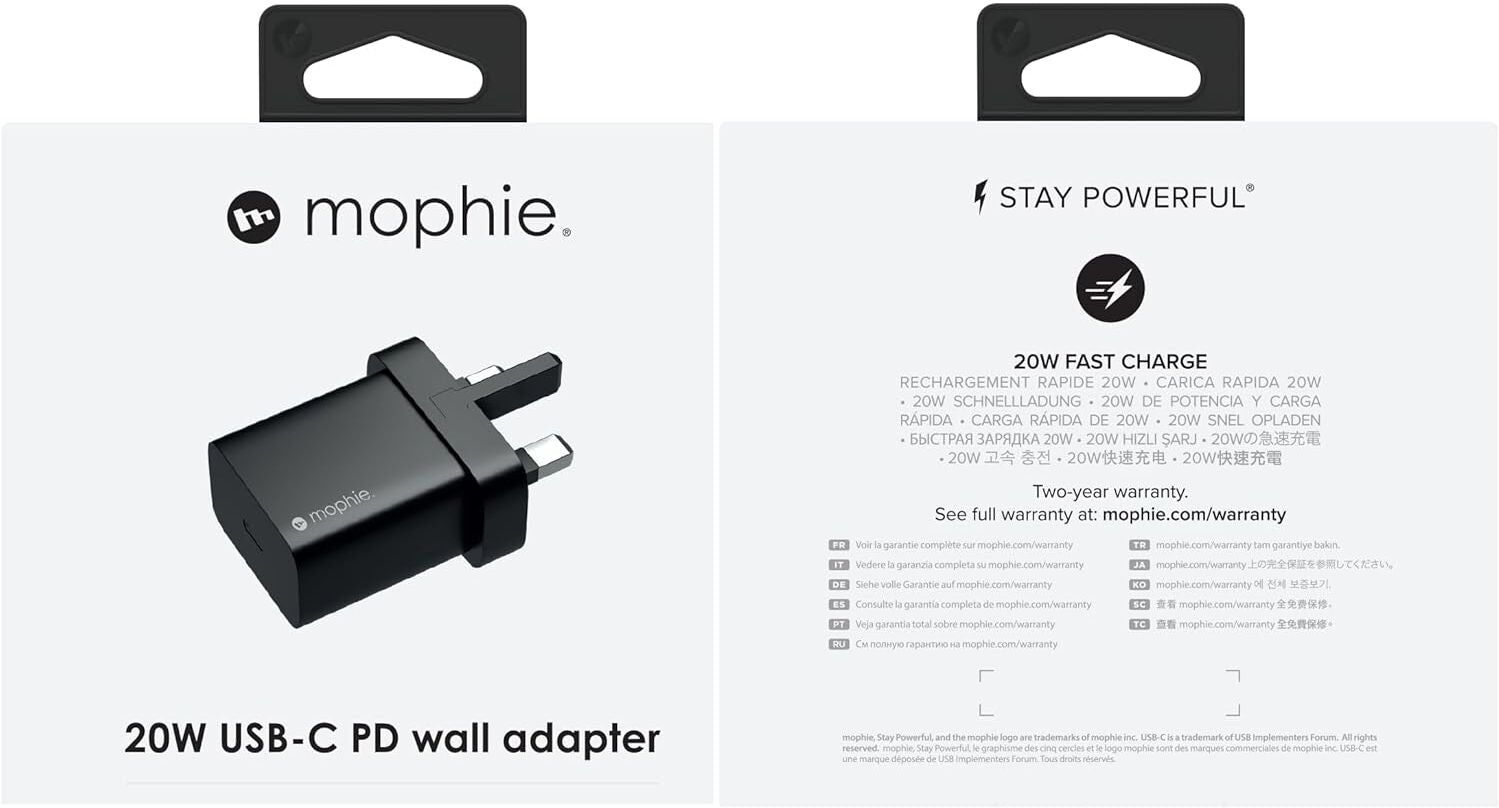
ZAGG mophie Wall Adapter (UK Plug) 20W Fast Charging USB-C Universal Smartphone Compatibility BlackKey Features 20W Fast Charging Output – Delivers rapid, efficient power for compatible devices USB-C Power Delivery (PD) – Optimized charging for modern smartphones and accessories UK 3-Pin Wall Adapter – Designed specifically for UK power outlets Universal Compatibility – Works with all smartphones, tablets, and USB-C devices Compact & Travel-Friendly Design – Easy to carry and store Premium ZAGG mophie Build Quality – Reliable, durable, and safe charging Product Description The ZAGG mophie 20W Wall Adapter is a powerful and compact charging solution designed for fast, reliable performance. Equipped with USB-C Power Delivery , it provides efficient high-speed charging for a wide range of smartphones and devices, helping you power up quickly at home, at work, or on the go. Its UK-standard 3-pin plug ensures safe and stable charging, while the sleek black finish and compact form factor make it a perfect everyday charging companion. Built with ZAGG mophie’s trusted quality standards, this adapter protects your devices while delivering consistent power. Specifications Brand: ZAGG mophie Product Type: Wall Charger / Power Adapter Plug Type: UK 3-Pin Output Power: 20W Port Type: USB-C Charging Technology: Power Delivery (PD) Compatibility: All smartphones & USB-C devices Color: Black12,99 £*Shipping: 0,00 £Secure redirect to the provider
-
Uplift Picks Automatic Pet Water Fountain With Silent Filtration System white Gold UpgradeHelp your pets stay hydrated with this modern automatic pet water fountain designed to provide fresh, flowing water throughout the day. Featuring a large 3L capacity, quiet operation, and advanced filtration system with included filter chips, this...132,98 $*Shipping: 0,00 $Secure redirect to the provider
-
Uplift Essentials 3L Ultra Quiet Automatic Pet Water Fountain & Advanced Filtration System white Gold Upgrade 3lProvide your pet with a constant stream of crystalclear, oxygenated water with a system built for health and tranquility. This 3L Automatic Pet Water Fountain features an expansive reservoir and a highefficiency recirculating system that keeps water...74,97 $*Shipping: 0,00 $Secure redirect to the provider
-
What is a lay investiture?
A lay investiture was a practice in medieval Europe where secular rulers, such as kings or nobles, appointed church officials, such as bishops or abbots. This practice gave secular rulers significant influence over the church and its affairs, leading to conflicts between secular and religious authorities. Lay investiture was a major point of contention during the Investiture Controversy in the 11th and 12th centuries, as the church sought to assert its independence from secular control. Ultimately, the issue was resolved with the Concordat of Worms in 1122, which established a compromise where the church had the authority to appoint bishops and abbots, but the emperor or king had the right to invest them with their secular powers. **
-
What was the Investiture Controversy about?
The Investiture Controversy was a power struggle between the Pope and the Holy Roman Emperor in the 11th and 12th centuries. It revolved around the question of who had the authority to appoint bishops and other church officials - the Pope or the Emperor. The conflict highlighted the tension between secular and religious authority and ultimately led to a compromise known as the Concordat of Worms in 1122, which established the Pope's right to appoint bishops and abbots, while allowing the Emperor to have some influence in the process. **
-
Can you explain the Investiture Controversy to me?
The Investiture Controversy was a power struggle between the papacy and the Holy Roman Emperor in the 11th and 12th centuries. It revolved around the appointment of bishops and abbots, with both the pope and the emperor claiming the right to invest these church officials with their symbols of office. The conflict highlighted the struggle for supremacy between the secular and religious authorities, with the papacy ultimately asserting its authority over the appointment of church officials. The Investiture Controversy had significant political and religious implications, shaping the relationship between the church and the state in medieval Europe. **
-
What does the term investiture mean in history?
In history, the term investiture refers to the formal installation or appointment of a person to a position of power or authority, often by a higher-ranking individual or institution. This term is commonly associated with the medieval practice of investiture, in which secular rulers or nobles would appoint bishops and other church officials, leading to conflicts between the church and state over the control of ecclesiastical appointments. Investiture also has broader applications in the context of feudalism, where it could refer to the granting of land or other resources to vassals in exchange for their loyalty and service. **
Similar search terms for Investiture
-
Unknown Adafruit Bluefruit LE Sniffer Bluetooth Low Energy BLE 4.0 nRF51822 Firmware Version 2Description The Adafruit Bluefruit LE Sniffer is a powerful development tool designed for analysing and debugging Bluetooth Low Energy (BLE) communications. Powered by the Nordic nRF51822 chipset, it allows developers and engineers to capture BLE packets and monitor wireless communication between compatible devices. Supporting Bluetooth Low Energy 4.0, this compact sniffer tool is ideal for embedded development, IoT projects, hardware testing, and BLE application debugging. With Firmware Version 2, it provides improved performance and compatibility for analysing BLE traffic. The Adafruit Bluefruit LE Sniffer works with popular BLE development environments and provides an accessible solution for developers looking to understand, troubleshoot, and optimise Bluetooth Low Energy applications.36,49 £*Shipping: 0,00 £Secure redirect to the provider
-
What were the consequences of the Investiture Controversy?
The Investiture Controversy had several significant consequences. It led to a power struggle between the papacy and the Holy Roman Emperor, weakening the authority of the emperor and strengthening the authority of the papacy. It also resulted in a greater separation of church and state, as the controversy highlighted the need for clear distinctions between the roles of secular and religious leaders. Additionally, the Investiture Controversy contributed to the overall decline in the power and influence of the Holy Roman Empire, as it weakened the central authority of the emperor and led to increased regional autonomy. **
-
What significance does the investiture controversy have for Henry IV?
The investiture controversy was a power struggle between the papacy and secular rulers over the appointment of bishops and abbots. For Henry IV, the controversy had significant implications as he clashed with Pope Gregory VII over the right to appoint church officials in his realm. This conflict led to Henry being excommunicated by the Pope, causing a crisis in his rule and undermining his authority. The investiture controversy ultimately weakened Henry's position and contributed to ongoing tensions between the church and secular authorities. **
-
What is the factual and value judgment of the Investiture Controversy?
The Investiture Controversy was a power struggle between the papacy and the Holy Roman Emperor over the appointment of bishops and other church officials. Factually, the controversy lasted from 1075 to 1122 and was ultimately resolved by the Concordat of Worms, which granted the church the right to appoint bishops and abbots, but the emperor retained the right to invest them with the symbols of their office. In terms of value judgment, the Investiture Controversy was a significant moment in the history of the relationship between the church and the state, as it highlighted the struggle for power and authority between secular and religious leaders. It also marked a turning point in the development of the papacy's authority and independence from secular control. **
-
At which two points in the text is the Investiture Controversy discussed?
The Investiture Controversy is discussed in the text at two key points. The first point is when the text discusses the conflict between Pope Gregory VII and Holy Roman Emperor Henry IV over the appointment of bishops and the issue of lay investiture. The second point is when the text mentions the resolution of the Investiture Controversy with the signing of the Concordat of Worms in 1122, which established a compromise between the papacy and the Holy Roman Empire regarding the appointment of bishops. **
* All prices are inclusive of VAT and, if applicable, plus shipping costs. The offer information is based on the details provided by the respective shop and is updated through automated processes. Real-time updates do not occur, so deviations can occur in individual cases. ** Note: Parts of this content were created by AI.