Buy r4i-gold.eu ?
We are moving the project
r4i-gold.eu .
Are you interested in purchasing the domain
r4i-gold.eu ?
domain@kv-gmbh.de · 0541-91531010
Buy r4i-gold.eu ?
How is the partitive formed?
The partitive is formed in French by using the preposition "de" followed by the definite article "le," "la," or "les." This combination contracts to form "du," "de la," or "des" before a singular or plural noun, respectively. For example, "some bread" is "du pain" and "some apples" is "des pommes." The partitive is used to indicate an unspecified quantity or portion of a mass noun. **
What is the French partitive article?
The French partitive article is used to indicate an unspecified quantity of a noun that cannot be counted. It is formed by combining the preposition "de" with the definite article corresponding to the noun's gender and number. For example, "du" is used with masculine singular nouns, "de la" with feminine singular nouns, and "des" with plural nouns. The partitive article is used in French to express concepts like some, any, or a part of something. **
Similar search terms for Partitive
Top-Angebote
Products related to Partitive:
-
Uplift Essentials 3L Ultra Quiet Automatic Pet Water Fountain & Advanced Filtration System white Gold Upgrade 3lProvide your pet with a constant stream of crystalclear, oxygenated water with a system built for health and tranquility. This 3L Automatic Pet Water Fountain features an expansive reservoir and a highefficiency recirculating system that keeps water...74,97 $*Shipping: 0,00 $Secure redirect to the provider
-
Unknown Adafruit Bluefruit LE Sniffer Bluetooth Low Energy BLE 4.0 nRF51822 Firmware Version 2Description The Adafruit Bluefruit LE Sniffer is a powerful development tool designed for analysing and debugging Bluetooth Low Energy (BLE) communications. Powered by the Nordic nRF51822 chipset, it allows developers and engineers to capture BLE packets and monitor wireless communication between compatible devices. Supporting Bluetooth Low Energy 4.0, this compact sniffer tool is ideal for embedded development, IoT projects, hardware testing, and BLE application debugging. With Firmware Version 2, it provides improved performance and compatibility for analysing BLE traffic. The Adafruit Bluefruit LE Sniffer works with popular BLE development environments and provides an accessible solution for developers looking to understand, troubleshoot, and optimise Bluetooth Low Energy applications.36,49 £*Shipping: 0,00 £Secure redirect to the provider


-
What is the rule for the partitive article?
The rule for the partitive article in French is to use "de" followed by the definite article (le, la, les) to indicate an unspecified quantity or some of a mass noun. For example, "du" is used for masculine singular nouns, "de la" for feminine singular nouns, and "des" for plural nouns. The partitive article is used when referring to an unknown or unspecified quantity of something. **
-
What are partitive articles in the French language?
Partitive articles in French are used to indicate an unspecified quantity of a noun. They are used when referring to a portion or some of a mass noun, such as food or liquid. The partitive articles in French are "du" (for masculine nouns), "de la" (for feminine nouns), and "de l'" (for nouns starting with a vowel or silent "h"). These articles are essential for expressing the concept of some or any in French. **
-
How do you form the genitive partitive in Latin?
In Latin, the genitive partitive is formed by using the genitive case of the noun followed by the word "partis" or "partis" (depending on the gender of the noun) to indicate a part of the whole. For example, if the noun is "puella" (girl), the genitive partitive would be "puellae partis" to indicate "part of the girl." This construction is used to express the idea of "some of" or "a part of" something. **
-
What are partitive articles and quantity increases in French?
Partitive articles in French are used to indicate an unspecified quantity of a noun. They are used with uncountable nouns or when referring to a portion of something. Quantity increases in French involve using words like "plus de" (more), "beaucoup de" (a lot of), or "trop de" (too much) to indicate an increase in the quantity of something. These expressions are used to specify a larger amount of a noun compared to using just the partitive article. **


When do you use the partitive article in French?
The partitive article in French is used to indicate an unspecified quantity of a mass noun. It is used when referring to a part of a whole, or an unspecified amount of something. For example, "du" is used for masculine nouns, "de la" for feminine nouns, and "de l'" for nouns starting with a vowel or silent "h". It is important to use the partitive article when talking about food, drinks, or other uncountable nouns in French. **
Can you please help me with the partitive article?
The partitive article is used in French to indicate an unspecified quantity of something. It is often used with uncountable nouns to express "some" or "any" in English. The partitive article changes depending on the gender and number of the noun it precedes. For example, "du" is used before masculine singular nouns, "de la" before feminine singular nouns, and "des" before plural nouns. It is important to use the correct partitive article to indicate the appropriate quantity in French. **
Top-Angebote
Products related to Partitive:
-
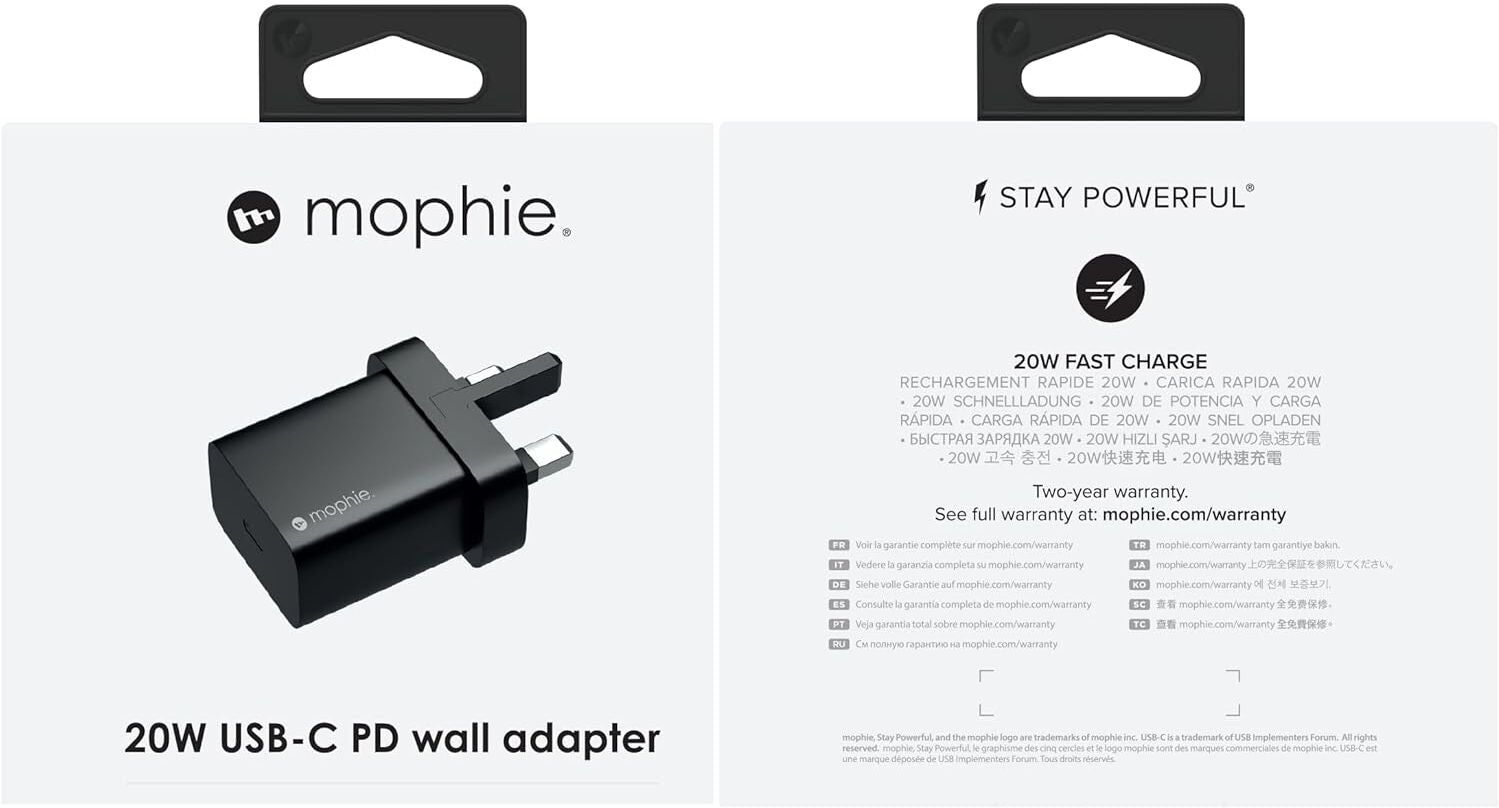
ZAGG mophie Wall Adapter (UK Plug) 20W Fast Charging USB-C Universal Smartphone Compatibility BlackKey Features 20W Fast Charging Output – Delivers rapid, efficient power for compatible devices USB-C Power Delivery (PD) – Optimized charging for modern smartphones and accessories UK 3-Pin Wall Adapter – Designed specifically for UK power outlets Universal Compatibility – Works with all smartphones, tablets, and USB-C devices Compact & Travel-Friendly Design – Easy to carry and store Premium ZAGG mophie Build Quality – Reliable, durable, and safe charging Product Description The ZAGG mophie 20W Wall Adapter is a powerful and compact charging solution designed for fast, reliable performance. Equipped with USB-C Power Delivery , it provides efficient high-speed charging for a wide range of smartphones and devices, helping you power up quickly at home, at work, or on the go. Its UK-standard 3-pin plug ensures safe and stable charging, while the sleek black finish and compact form factor make it a perfect everyday charging companion. Built with ZAGG mophie’s trusted quality standards, this adapter protects your devices while delivering consistent power. Specifications Brand: ZAGG mophie Product Type: Wall Charger / Power Adapter Plug Type: UK 3-Pin Output Power: 20W Port Type: USB-C Charging Technology: Power Delivery (PD) Compatibility: All smartphones & USB-C devices Color: Black12,99 £*Shipping: 0,00 £Secure redirect to the provider
-
Uplift Picks Automatic Pet Water Fountain With Silent Filtration System white Gold UpgradeHelp your pets stay hydrated with this modern automatic pet water fountain designed to provide fresh, flowing water throughout the day. Featuring a large 3L capacity, quiet operation, and advanced filtration system with included filter chips, this...132,98 $*Shipping: 0,00 $Secure redirect to the provider
-
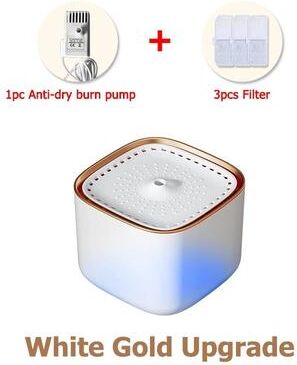
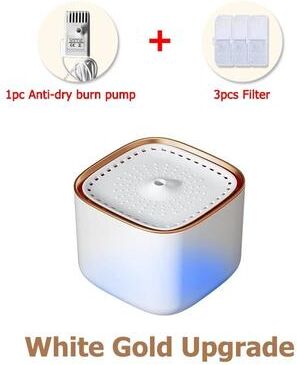
Uplift Essentials 3L Ultra Quiet Automatic Pet Water Fountain & Advanced Filtration System white Gold Upgrade 3lProvide your pet with a constant stream of crystalclear, oxygenated water with a system built for health and tranquility. This 3L Automatic Pet Water Fountain features an expansive reservoir and a highefficiency recirculating system that keeps water...74,97 $*Shipping: 0,00 $Secure redirect to the provider
-
How is the partitive formed?
The partitive is formed in French by using the preposition "de" followed by the definite article "le," "la," or "les." This combination contracts to form "du," "de la," or "des" before a singular or plural noun, respectively. For example, "some bread" is "du pain" and "some apples" is "des pommes." The partitive is used to indicate an unspecified quantity or portion of a mass noun. **
-
What is the French partitive article?
The French partitive article is used to indicate an unspecified quantity of a noun that cannot be counted. It is formed by combining the preposition "de" with the definite article corresponding to the noun's gender and number. For example, "du" is used with masculine singular nouns, "de la" with feminine singular nouns, and "des" with plural nouns. The partitive article is used in French to express concepts like some, any, or a part of something. **
-
What is the rule for the partitive article?
The rule for the partitive article in French is to use "de" followed by the definite article (le, la, les) to indicate an unspecified quantity or some of a mass noun. For example, "du" is used for masculine singular nouns, "de la" for feminine singular nouns, and "des" for plural nouns. The partitive article is used when referring to an unknown or unspecified quantity of something. **
-
What are partitive articles in the French language?
Partitive articles in French are used to indicate an unspecified quantity of a noun. They are used when referring to a portion or some of a mass noun, such as food or liquid. The partitive articles in French are "du" (for masculine nouns), "de la" (for feminine nouns), and "de l'" (for nouns starting with a vowel or silent "h"). These articles are essential for expressing the concept of some or any in French. **
Similar search terms for Partitive
-
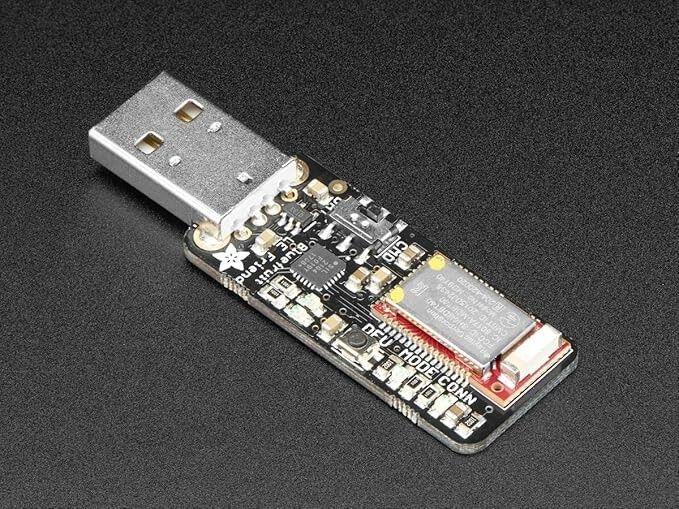
Unknown Adafruit Bluefruit LE Sniffer Bluetooth Low Energy BLE 4.0 nRF51822 Firmware Version 2Description The Adafruit Bluefruit LE Sniffer is a powerful development tool designed for analysing and debugging Bluetooth Low Energy (BLE) communications. Powered by the Nordic nRF51822 chipset, it allows developers and engineers to capture BLE packets and monitor wireless communication between compatible devices. Supporting Bluetooth Low Energy 4.0, this compact sniffer tool is ideal for embedded development, IoT projects, hardware testing, and BLE application debugging. With Firmware Version 2, it provides improved performance and compatibility for analysing BLE traffic. The Adafruit Bluefruit LE Sniffer works with popular BLE development environments and provides an accessible solution for developers looking to understand, troubleshoot, and optimise Bluetooth Low Energy applications.36,49 £*Shipping: 0,00 £Secure redirect to the provider
-
How do you form the genitive partitive in Latin?
In Latin, the genitive partitive is formed by using the genitive case of the noun followed by the word "partis" or "partis" (depending on the gender of the noun) to indicate a part of the whole. For example, if the noun is "puella" (girl), the genitive partitive would be "puellae partis" to indicate "part of the girl." This construction is used to express the idea of "some of" or "a part of" something. **
-
What are partitive articles and quantity increases in French?
Partitive articles in French are used to indicate an unspecified quantity of a noun. They are used with uncountable nouns or when referring to a portion of something. Quantity increases in French involve using words like "plus de" (more), "beaucoup de" (a lot of), or "trop de" (too much) to indicate an increase in the quantity of something. These expressions are used to specify a larger amount of a noun compared to using just the partitive article. **
-
When do you use the partitive article in French?
The partitive article in French is used to indicate an unspecified quantity of a mass noun. It is used when referring to a part of a whole, or an unspecified amount of something. For example, "du" is used for masculine nouns, "de la" for feminine nouns, and "de l'" for nouns starting with a vowel or silent "h". It is important to use the partitive article when talking about food, drinks, or other uncountable nouns in French. **
-
Can you please help me with the partitive article?
The partitive article is used in French to indicate an unspecified quantity of something. It is often used with uncountable nouns to express "some" or "any" in English. The partitive article changes depending on the gender and number of the noun it precedes. For example, "du" is used before masculine singular nouns, "de la" before feminine singular nouns, and "des" before plural nouns. It is important to use the correct partitive article to indicate the appropriate quantity in French. **
* All prices are inclusive of VAT and, if applicable, plus shipping costs. The offer information is based on the details provided by the respective shop and is updated through automated processes. Real-time updates do not occur, so deviations can occur in individual cases. ** Note: Parts of this content were created by AI.