Buy r4i-gold.eu ?
We are moving the project
r4i-gold.eu .
Are you interested in purchasing the domain
r4i-gold.eu ?
domain@kv-gmbh.de · 0541-91531010
Buy r4i-gold.eu ?
What are guard cells and stomata?
Guard cells are specialized cells found in the epidermis of plant leaves that surround and control the opening and closing of tiny pores called stomata. Stomata are small openings on the surface of leaves that allow for the exchange of gases such as carbon dioxide and oxygen, as well as the release of water vapor during transpiration. Guard cells regulate the opening and closing of stomata in response to environmental factors such as light intensity, humidity, and carbon dioxide levels to help plants maintain proper gas exchange and water balance. **
Why do mesophytes have small stomata?
Mesophytes have small stomata to regulate water loss through transpiration. By having smaller stomata, mesophytes can control the amount of water vapor that escapes from their leaves, helping them to conserve water in environments where water availability may be limited. Additionally, smaller stomata reduce the risk of desiccation in dry conditions, allowing mesophytes to thrive in a variety of habitats. **
Similar search terms for Stomata
Top-Angebote
Products related to Stomata:
-
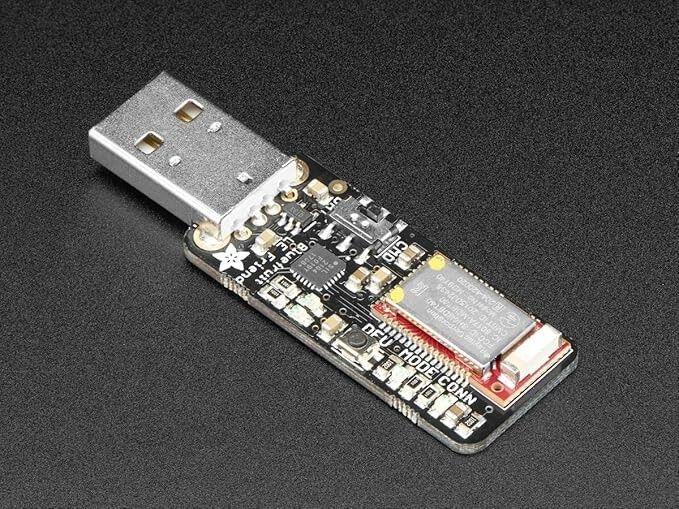
Unknown Adafruit Bluefruit LE Sniffer Bluetooth Low Energy BLE 4.0 nRF51822 Firmware Version 2Description The Adafruit Bluefruit LE Sniffer is a powerful development tool designed for analysing and debugging Bluetooth Low Energy (BLE) communications. Powered by the Nordic nRF51822 chipset, it allows developers and engineers to capture BLE packets and monitor wireless communication between compatible devices. Supporting Bluetooth Low Energy 4.0, this compact sniffer tool is ideal for embedded development, IoT projects, hardware testing, and BLE application debugging. With Firmware Version 2, it provides improved performance and compatibility for analysing BLE traffic. The Adafruit Bluefruit LE Sniffer works with popular BLE development environments and provides an accessible solution for developers looking to understand, troubleshoot, and optimise Bluetooth Low Energy applications.36,49 £*Shipping: 0,00 £Secure redirect to the provider
-
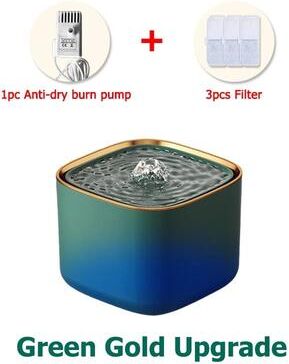
Uplift Essentials 3L Ultra Quiet Automatic Pet Water Fountain & Advanced Filtration System green Gold Upgrade 3lProvide your pet with a constant stream of crystalclear, oxygenated water with a system built for health and tranquility. This 3L Automatic Pet Water Fountain features an expansive reservoir and a highefficiency recirculating system that keeps water...74,97 $*Shipping: 0,00 $Secure redirect to the provider
-
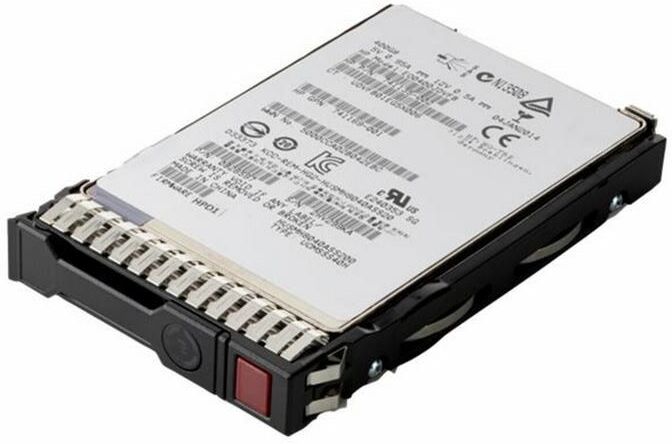
HPE P09088-S21 400GB SAS 12G Mixed Use SFF 2.5" SC Digitally Signed Firmware SSDHPE P09088-S21 is the Smart Buy version of option part P09088-B21: a 400GB 12Gb/s SAS Mixed Use solid state drive in a 2.5-inch small form factor (SFF) Smart Carrier for ProLiant Gen9/Gen10 servers. It ships with HPE digitally signed firmware and a 3-year warranty. The spare part number is P09922-001.1103,99 £*Shipping: 0,00 £Secure redirect to the provider

-
Why do stomata close at midday?
Stomata close at midday to prevent excessive water loss through transpiration. During the hottest part of the day, the plant can lose a significant amount of water through open stomata, which can lead to dehydration and wilting. By closing the stomata, the plant can conserve water and maintain its turgidity, allowing it to survive the heat and dry conditions. Additionally, closing the stomata can also help to regulate the exchange of gases, such as carbon dioxide and oxygen, within the plant. **
-
What are stomata in plants in biology?
Stomata are small pores found on the surface of plant leaves and stems that are responsible for gas exchange. They allow for the uptake of carbon dioxide for photosynthesis and the release of oxygen and water vapor. Stomata are surrounded by specialized cells called guard cells, which control the opening and closing of the pores to regulate the exchange of gases and the loss of water through transpiration. This process is crucial for the survival and growth of plants. **
-
Why are the stomata located underneath the leaf?
Stomata are located underneath the leaf to reduce water loss through transpiration. Placing the stomata on the underside of the leaf helps to minimize exposure to direct sunlight and wind, which can increase water loss. Additionally, having the stomata on the underside of the leaf helps to protect them from potential damage and blockage by dust and other particles. This positioning also allows for better control of gas exchange and helps to maintain the internal water balance of the plant. **
-
Are dry plants hydrophilic and do they have sunken stomata?
Dry plants are not hydrophilic, as they do not have a strong affinity for water. In fact, they often have adaptations to conserve water, such as waxy cuticles and reduced stomata. Additionally, dry plants may have sunken stomata, which helps to reduce water loss by creating a barrier between the stomata and the external environment. These adaptations are important for the survival of dry plants in arid environments. **


Why do aquatic plants have their stomata on top, moist plants on top, adaptable plants on the bottom, and dry plants have sunken stomata?
Aquatic plants have their stomata on top to facilitate gas exchange with the surrounding water. Moist plants have stomata on top to prevent excessive water loss and maintain a moist environment for photosynthesis. Adaptable plants have stomata on the bottom to regulate water loss and gas exchange based on environmental conditions. Dry plants have sunken stomata to reduce water loss through evaporation and protect the stomata from drying out in arid conditions. **
Why do water plants have their stomata on top, moist plants on top, adaptable plants on the bottom, and dry plants have sunken stomata?
Water plants have their stomata on top to prevent water loss and allow for efficient gas exchange with the atmosphere. Moist plants have their stomata on top to take advantage of the moist air and reduce water loss. Adaptable plants have their stomata on the bottom to minimize water loss and adapt to varying environmental conditions. Dry plants have sunken stomata to reduce water loss and protect the stomata from drying out in arid conditions. Each type of plant has evolved to have stomata placement that best suits their specific environmental needs. **
Top-Angebote
Products related to Stomata:
-
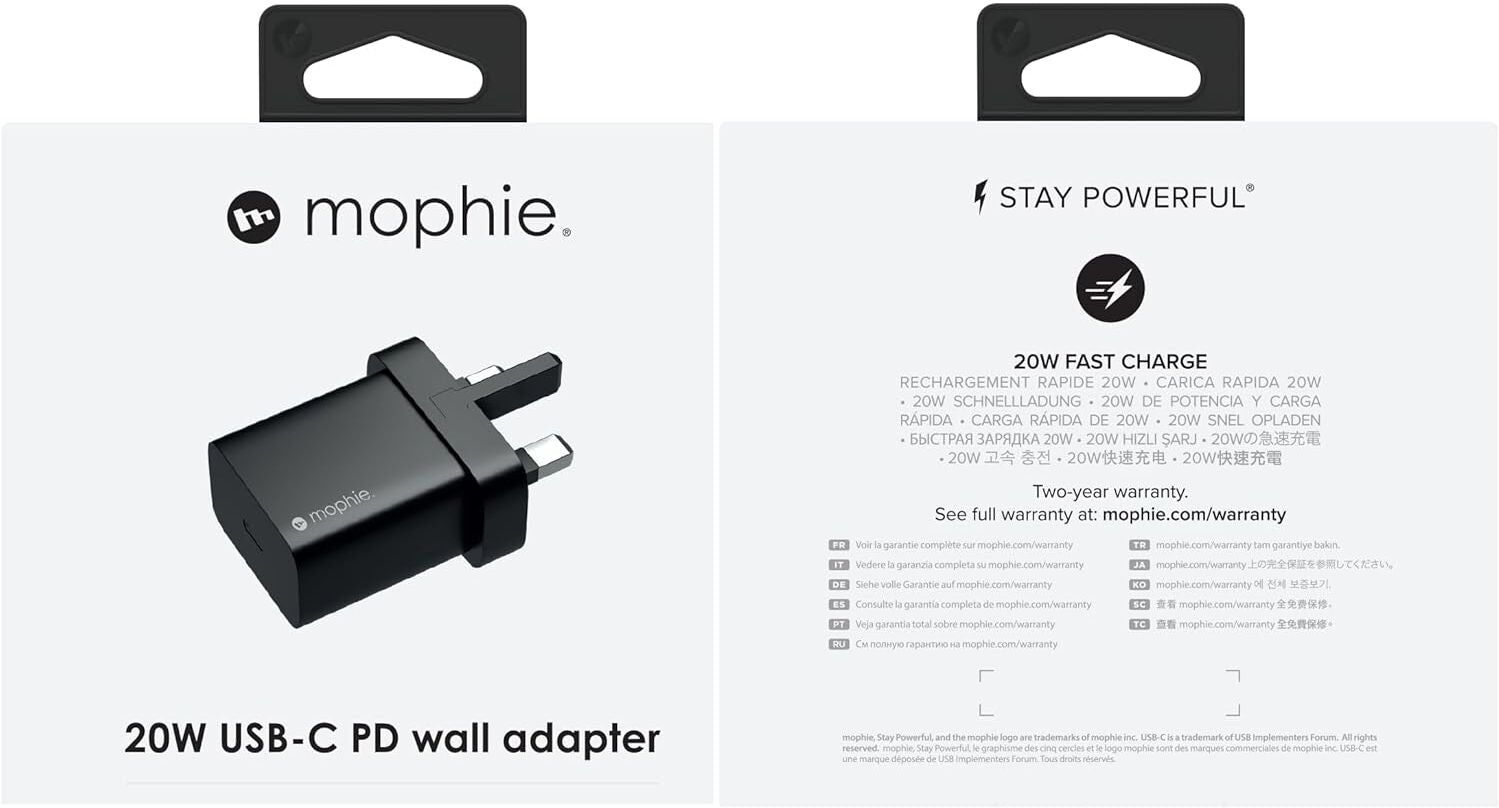
ZAGG mophie Wall Adapter (UK Plug) 20W Fast Charging USB-C Universal Smartphone Compatibility BlackKey Features 20W Fast Charging Output – Delivers rapid, efficient power for compatible devices USB-C Power Delivery (PD) – Optimized charging for modern smartphones and accessories UK 3-Pin Wall Adapter – Designed specifically for UK power outlets Universal Compatibility – Works with all smartphones, tablets, and USB-C devices Compact & Travel-Friendly Design – Easy to carry and store Premium ZAGG mophie Build Quality – Reliable, durable, and safe charging Product Description The ZAGG mophie 20W Wall Adapter is a powerful and compact charging solution designed for fast, reliable performance. Equipped with USB-C Power Delivery , it provides efficient high-speed charging for a wide range of smartphones and devices, helping you power up quickly at home, at work, or on the go. Its UK-standard 3-pin plug ensures safe and stable charging, while the sleek black finish and compact form factor make it a perfect everyday charging companion. Built with ZAGG mophie’s trusted quality standards, this adapter protects your devices while delivering consistent power. Specifications Brand: ZAGG mophie Product Type: Wall Charger / Power Adapter Plug Type: UK 3-Pin Output Power: 20W Port Type: USB-C Charging Technology: Power Delivery (PD) Compatibility: All smartphones & USB-C devices Color: Black12,99 £*Shipping: 0,00 £Secure redirect to the provider
-
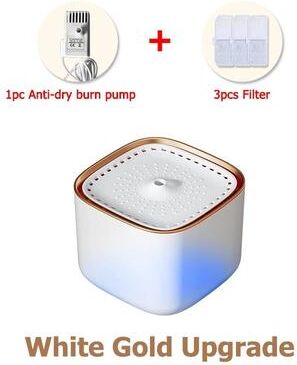
Uplift Picks Automatic Pet Water Fountain With Silent Filtration System white Gold UpgradeHelp your pets stay hydrated with this modern automatic pet water fountain designed to provide fresh, flowing water throughout the day. Featuring a large 3L capacity, quiet operation, and advanced filtration system with included filter chips, this...132,98 $*Shipping: 0,00 $Secure redirect to the provider
-
Unknown Adafruit Bluefruit LE Sniffer Bluetooth Low Energy BLE 4.0 nRF51822 Firmware Version 2Description The Adafruit Bluefruit LE Sniffer is a powerful development tool designed for analysing and debugging Bluetooth Low Energy (BLE) communications. Powered by the Nordic nRF51822 chipset, it allows developers and engineers to capture BLE packets and monitor wireless communication between compatible devices. Supporting Bluetooth Low Energy 4.0, this compact sniffer tool is ideal for embedded development, IoT projects, hardware testing, and BLE application debugging. With Firmware Version 2, it provides improved performance and compatibility for analysing BLE traffic. The Adafruit Bluefruit LE Sniffer works with popular BLE development environments and provides an accessible solution for developers looking to understand, troubleshoot, and optimise Bluetooth Low Energy applications.36,49 £*Shipping: 0,00 £Secure redirect to the provider
-
Uplift Essentials 3L Ultra Quiet Automatic Pet Water Fountain & Advanced Filtration System green Gold Upgrade 3lProvide your pet with a constant stream of crystalclear, oxygenated water with a system built for health and tranquility. This 3L Automatic Pet Water Fountain features an expansive reservoir and a highefficiency recirculating system that keeps water...74,97 $*Shipping: 0,00 $Secure redirect to the provider
-
What are guard cells and stomata?
Guard cells are specialized cells found in the epidermis of plant leaves that surround and control the opening and closing of tiny pores called stomata. Stomata are small openings on the surface of leaves that allow for the exchange of gases such as carbon dioxide and oxygen, as well as the release of water vapor during transpiration. Guard cells regulate the opening and closing of stomata in response to environmental factors such as light intensity, humidity, and carbon dioxide levels to help plants maintain proper gas exchange and water balance. **
-
Why do mesophytes have small stomata?
Mesophytes have small stomata to regulate water loss through transpiration. By having smaller stomata, mesophytes can control the amount of water vapor that escapes from their leaves, helping them to conserve water in environments where water availability may be limited. Additionally, smaller stomata reduce the risk of desiccation in dry conditions, allowing mesophytes to thrive in a variety of habitats. **
-
Why do stomata close at midday?
Stomata close at midday to prevent excessive water loss through transpiration. During the hottest part of the day, the plant can lose a significant amount of water through open stomata, which can lead to dehydration and wilting. By closing the stomata, the plant can conserve water and maintain its turgidity, allowing it to survive the heat and dry conditions. Additionally, closing the stomata can also help to regulate the exchange of gases, such as carbon dioxide and oxygen, within the plant. **
-
What are stomata in plants in biology?
Stomata are small pores found on the surface of plant leaves and stems that are responsible for gas exchange. They allow for the uptake of carbon dioxide for photosynthesis and the release of oxygen and water vapor. Stomata are surrounded by specialized cells called guard cells, which control the opening and closing of the pores to regulate the exchange of gases and the loss of water through transpiration. This process is crucial for the survival and growth of plants. **
Similar search terms for Stomata
-
HPE P09088-S21 400GB SAS 12G Mixed Use SFF 2.5" SC Digitally Signed Firmware SSDHPE P09088-S21 is the Smart Buy version of option part P09088-B21: a 400GB 12Gb/s SAS Mixed Use solid state drive in a 2.5-inch small form factor (SFF) Smart Carrier for ProLiant Gen9/Gen10 servers. It ships with HPE digitally signed firmware and a 3-year warranty. The spare part number is P09922-001.1103,99 £*Shipping: 0,00 £Secure redirect to the provider
-
HPE 960GB SATA 6G Read Intensive SFF 2.5in SC Digitally Signed Firmware SSD (P04564-B21)HPE 960GB SATA 6Gb/s read-intensive solid state drive in a 2.5in Smart Carrier (SC) hot-plug tray with digitally signed firmware, for ProLiant Gen9 and Gen10 servers.1396,99 £*Shipping: 0,00 £Secure redirect to the provider
-
Why are the stomata located underneath the leaf?
Stomata are located underneath the leaf to reduce water loss through transpiration. Placing the stomata on the underside of the leaf helps to minimize exposure to direct sunlight and wind, which can increase water loss. Additionally, having the stomata on the underside of the leaf helps to protect them from potential damage and blockage by dust and other particles. This positioning also allows for better control of gas exchange and helps to maintain the internal water balance of the plant. **
-
Are dry plants hydrophilic and do they have sunken stomata?
Dry plants are not hydrophilic, as they do not have a strong affinity for water. In fact, they often have adaptations to conserve water, such as waxy cuticles and reduced stomata. Additionally, dry plants may have sunken stomata, which helps to reduce water loss by creating a barrier between the stomata and the external environment. These adaptations are important for the survival of dry plants in arid environments. **
-
Why do aquatic plants have their stomata on top, moist plants on top, adaptable plants on the bottom, and dry plants have sunken stomata?
Aquatic plants have their stomata on top to facilitate gas exchange with the surrounding water. Moist plants have stomata on top to prevent excessive water loss and maintain a moist environment for photosynthesis. Adaptable plants have stomata on the bottom to regulate water loss and gas exchange based on environmental conditions. Dry plants have sunken stomata to reduce water loss through evaporation and protect the stomata from drying out in arid conditions. **
-
Why do water plants have their stomata on top, moist plants on top, adaptable plants on the bottom, and dry plants have sunken stomata?
Water plants have their stomata on top to prevent water loss and allow for efficient gas exchange with the atmosphere. Moist plants have their stomata on top to take advantage of the moist air and reduce water loss. Adaptable plants have their stomata on the bottom to minimize water loss and adapt to varying environmental conditions. Dry plants have sunken stomata to reduce water loss and protect the stomata from drying out in arid conditions. Each type of plant has evolved to have stomata placement that best suits their specific environmental needs. **
* All prices are inclusive of VAT and, if applicable, plus shipping costs. The offer information is based on the details provided by the respective shop and is updated through automated processes. Real-time updates do not occur, so deviations can occur in individual cases. ** Note: Parts of this content were created by AI.